06/04/2026
The Psychological Impact of Prolonged Online Schooling on Children's Eye Health
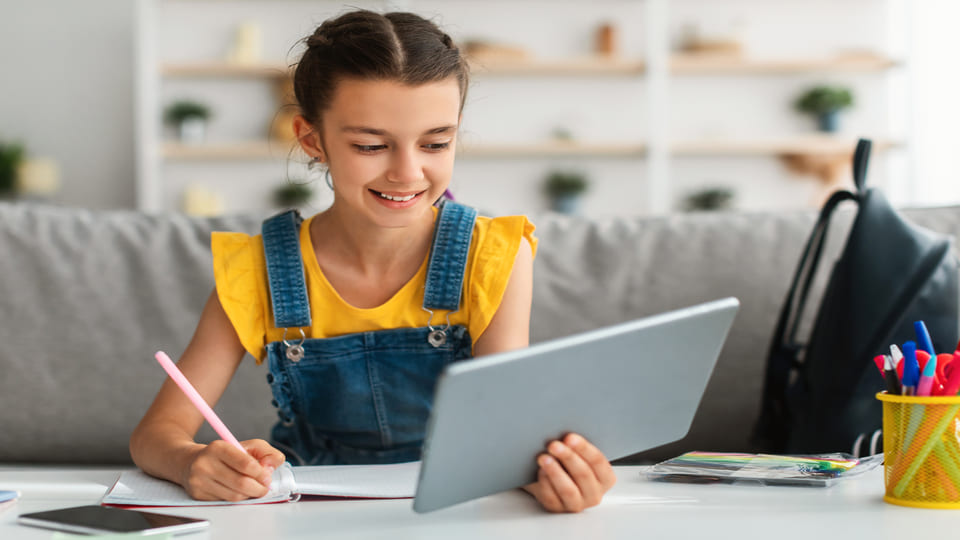
The integration of digital learning into modern education has provided unprecedented access to knowledge. However, prolonged online schooling has raised concerns regarding its effects on children's ocular health and psychological well-being. Extended periods of near work through computers, tablets, and smartphones combined with reduced outdoor activity, have been identified as significant contributors to the development and progression of myopia (nearsightedness) in children.
Nowadays, digital devices have become an integral part of children's daily lives around the world. Five percent of children between 5 and 7 years old own their own smartphone, and forty-two percent have their own tablet. This widespread use of digital technology has reshaped children's lifestyles, introducing both opportunities and potential risks
How Psychological Factors Influence Eye Health
Children's emotional and cognitive states play a crucial role in eye development. Extended online schooling and screen exposure can affect mental health in ways that increase the risk of myopia progression:
1-Stress and Eye Strain
- Psychological stress can lead to increased muscle tension, including in the eyes' ciliary muscles that control focusing. Persistent tension may contribute to nearsightedness over time.
- Children under high academic or emotional stress often engage in prolonged near work, such as reading or using screens, without taking adequate visual breaks, worsening eye strain.
2-Anxiety and Avoidance of Outdoor Activity
- Children experiencing anxiety or low mood may avoid outdoor play, limiting exposure to bright natural light a protective factor against myopia.
- Social withdrawal may also lead to longer periods of screen use, increasing continuous near work, which places additional stress on the eyes.
3-Sleep Disruption
- Emotional stress and excessive screen exposure, particularly before bedtime, disrupt sleep patterns and can impair eye recovery from daily strain.
- Poor sleep exacerbates attention deficits, irritability, and mood swings, indirectly affecting visual health.
4-Behavioral and Attention Patterns
- Children with difficulties in attention or self-regulation may focus intensely on screens for extended periods, skipping natural breaks. Prolonged near-focus accelerates the elongation of the eye, a key factor in myopia progression.
- Impulsive behaviors may result in poor posture, holding screens too close, or inconsistent visual habits, adding further strain.
The Reciprocal Cycle: Mental Health and Myopia
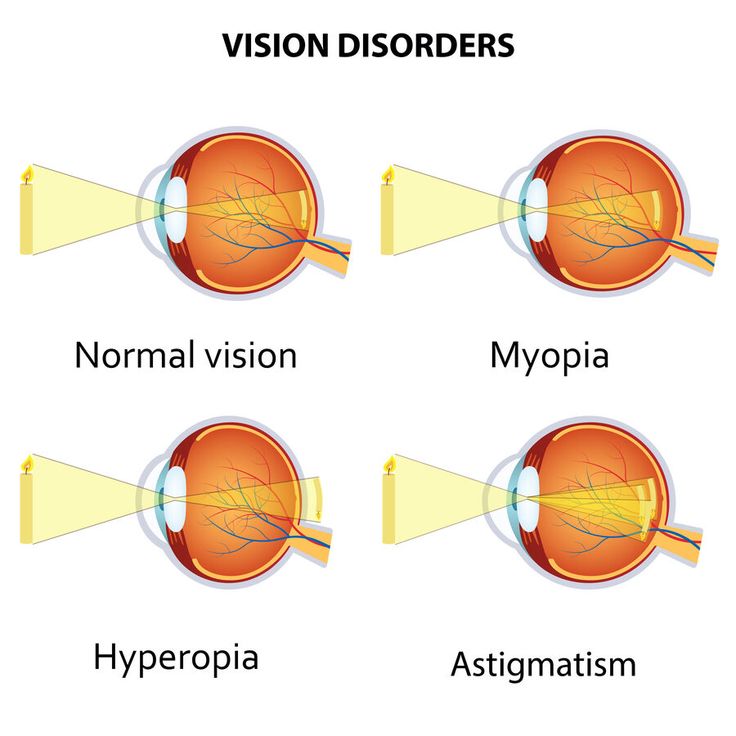
Psychological stress and eye health often interact in a reinforcing cycle:
- Children with myopia may experience headaches, blurred vision, or academic challenges, which can increase stress or anxiety.
- Elevated stress levels may encourage even more screen use, further accelerating myopia progression.
Breaking this cycle requires attention to both mental well-being and visual health.
Practical Strategies for Families and Educators
To protect children's eyes while supporting psychological health during online schooling, a holistic approach is essential:
- Promote Outdoor Activity: Encourage children to spend at least 1- 2 hours outdoors each day in bright natural light. Exposure to sunlight supports healthy eye development and helps reduce the risk of myopia progression.
- Limit Continuous Near Work: Implement the 20-20-20 rule: every 20 minutes of near-focused activity, have your child look at an object approximately 20 feet away for at least 20 seconds. This helps relieve eye strain and supports visual health.
- Establish Structured Screen Time: Schedule regular breaks during online lessons and minimize recreational screen use beyond school requirements. A balanced approach to digital device use protects both vision and mental well-being.
- Ensure Corrective Vision Care: Regular eye examinations are essential to detect and correct refractive errors early. Prescription glasses should be considered if conditions such as diplopia (double vision) or strabismus (eye misalignment) are present.
- Monitor Psychological Health: Pay attention to signs of anxiety, mood changes, or sleep disturbances. Early engagement with a child psychologist or counselor can help manage emotional stress, which indirectly benefits eye health.
- Create a Safe Learning Environment: Optimize study areas with proper lighting, ergonomic seating, and minimal screen glare to reduce visual strain and support comfortable, sustained learning.
- Schedule Follow-Up Eye Exams: For children experiencing myopia progression, eye exams should be conducted at least every six months, especially during extended periods of online schooling, to ensure timely intervention and management.
Conclusion
Digital devices are now a central part of children's lives, but prolonged screen exposure can pose risks to both vision and psychological well-being. Stress, anxiety, poor sleep, and behavioral patterns can indirectly accelerate myopia progression, creating a cycle that affects academic performance and overall health.
Interventions that combine structured screen breaks, increased outdoor activity, healthy sleep, and attention to emotional well-being can protect children's eyes and promote mental resilience. Families and educators who adopt a holistic approach ensure that children benefit from digital learning without compromising long-term eye health or psychological development.
Schedule a consultation today
-
Email: appointments@barraquer.ae
-
Phone (outside UAE): +971 4 573 9999
-
Toll-Free (inside UAE): 800 234 823 (BEHUAE)
-
Working Hours & Location : Click on Google Map Link