15/04/2026
What Ophthalmologists See Before Others Do
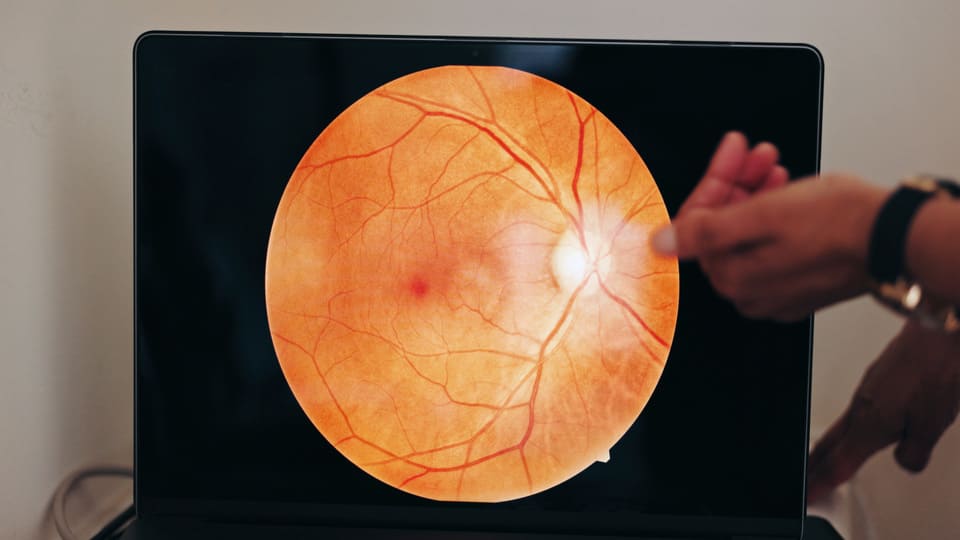
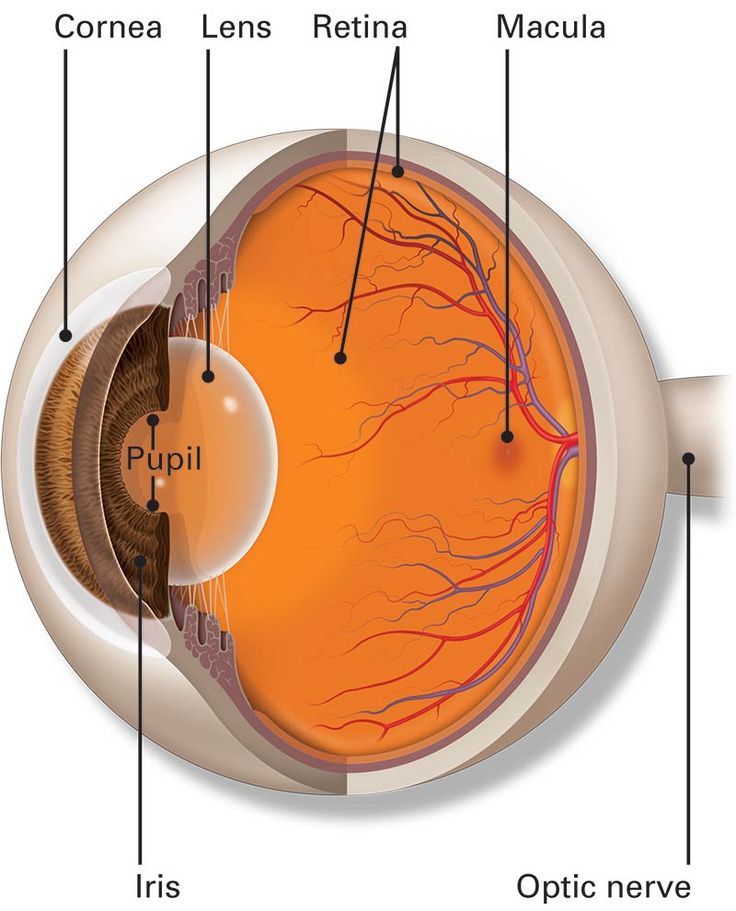
The retina is often regarded as a structure concerned solely with vision. In daily clinical practice, however, it proves to be one of the most revealing tissues in the human body. Composed of neural tissue and a dense microvascular network, it allows direct, non-invasive visualization of blood vessels and neurons in a living patient.
For this reason, many systemic diseases leave detectable signs in the retina long before symptoms become apparent elsewhere. What may initially appear as a localized retinal finding is frequently a manifestation of a broader systemic process.
The Retina and Microvascular Health
Unlike most organs, the retinal circulation can be examined directly in the clinic without contrast agents, radiation, or invasive procedures. Subtle changes such as capillary dropout, vessel narrowing, leakage, or ischemia often reflect pathological processes occurring simultaneously in the brain, kidneys, and cardiovascular system.
Advances in retinal imaging, particularly optical coherence tomography (OCT) and wide-field angiography, have strengthened the role of the retina as a practical biomarker of systemic disease.
Diabetes Mellitus
Diabetic retinopathy should not be viewed simply as an ocular complication of diabetes. It represents a visible expression of generalized microvascular disease. In many patients, the severity of retinal involvement parallels systemic damage, including nephropathy, neuropathy, and increased cardiovascular risk.
Patients may demonstrate significant retinal pathology despite preserved visual acuity and limited systemic complaints. In such cases, retinal findings often prompt reassessment of metabolic control and overall disease management.
Hypertension and Systemic Vascular Stress
Long-standing hypertension produces characteristic retinal changes, including arteriolar narrowing, arteriovenous crossing abnormalities, hemorrhages, and retinal ischemia. These findings reflect chronic vascular stress affecting multiple organs.
In some individuals, retinal signs of hypertensive damage are identified before major cardiovascular or cerebrovascular events.
Inflammatory and Autoimmune Diseases
Systemic inflammatory conditions may involve the retinal and choroidal circulation. Diseases such as systemic lupus erythematosus, sarcoidosis, and Behçet disease can present with retinal vasculitis, ischemia, or vascular occlusion.
Retinal involvement often parallels systemic disease activity, allowing the eye to function as both a diagnostic clue and a marker of treatment response.
Hematologic and Oncologic Disorders
Hematologic diseases and malignancies can manifest in the retina through hemorrhages, vascular changes, or infiltrative lesions. Severe anemia, leukemia, and hyperviscosity syndromes may all produce distinctive retinal findings.
Patients with systemic malignancy may demonstrate metastatic involvement of the retina or choroid on routine retinal examination, although in some cases this may be symptomatic and prompt further systemic evaluation.
Neurological Implications
The close anatomical and embryological relationship between the retina and the brain has driven increasing interest in retinal biomarkers for neurological disease. Retinal microvascular changes have been associated with stroke risk, cognitive decline, and cerebral small-vessel disease.
Retinal imaging, supported by artificial intelligence–based analysis, may in the future contribute to earlier identification of neurodegenerative conditions.
Infectious Systemic Diseases
Several systemic infections may involve the retina or choroid. Syphilis, tuberculosis, HIV, and other infectious conditions can produce characteristic retinal findings, sometimes preceding systemic symptoms.
In such cases, the ophthalmologist may be the first clinician to suspect an underlying infection.
Conclusion
Retinal disease should rarely be considered in isolation. Ocular findings often justify systemic investigation, multidisciplinary communication, and long-term follow-up.
The retina is more than a visual sensor; it is a living record of systemic health. Recognizing retinal pathology as a manifestation of systemic disease allows for earlier diagnosis, timely intervention, improved interdisciplinary collaboration, and better patient outcomes.
Schedule a consultation today
-
Email: appointments@barraquer.ae
-
Phone (outside UAE): +971 4 573 9999
-
Toll-Free (inside UAE): 800 234 823 (BEHUAE)
-
Working Hours & Location : Click on Google Map Link