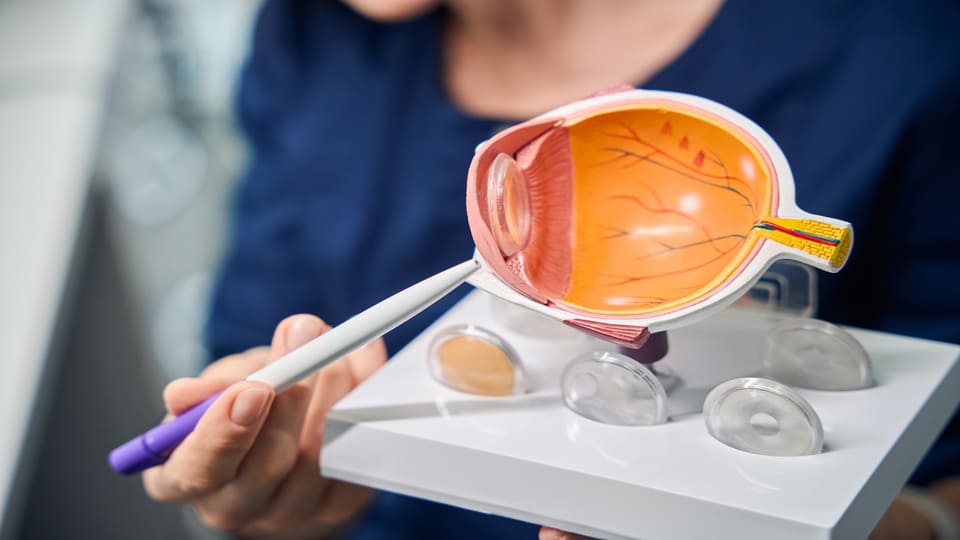
20/04/2026
Diabetes is one of the most prevalent chronic conditions in the UAE, affecting about 1 in 5 adults in Dubai and across the country. While most people with diabetes focus mainly on managing blood sugar levels, cholesterol, and cardiovascular health, diabetic retinopathy remains one of the most serious and often overlooked complications, developing silently in the eyes. It is a progressive condition that may remain asymptomatic in its early stages, and early detection is essential to reduce the risk of irreversible vision loss.
What Exactly Is Diabetic Retinopathy?
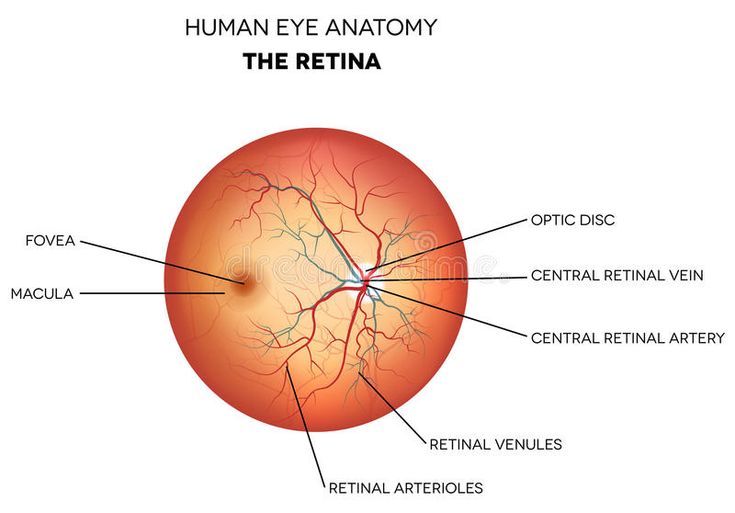
The retina is a thin neurosensory tissue lining the inner surface of the eye. It is responsible for detecting light and transmitting visual signals to the brain.
It is supplied by a delicate network of small blood vessels, which are particularly vulnerable to long-term damage from diabetes. Chronic hyperglycemia leads to progressive damage of these vessels, resulting in leakage, capillary closure, and reduced oxygen delivery (ischemia) to retinal tissue. This can cause retinal swelling, hemorrhages, and areas of non-perfusion. When leakage affects the macula the area responsible for detailed central vision it results in diabetic macular edema, one of the most common causes of vision impairment in diabetic patients.
In more advanced stages, abnormal new blood vessels grow on the retinal surface. These vessels are fragile and disorganized, and may bleed or lead to fibrous tissue formation, which can ultimately cause retinal detachment. This entire process is known as diabetic retinopathy and remains a leading cause of vision loss among working-age adults worldwide.
In the Gulf region, estimates suggest that approximately 20% of individuals with diabetes have some degree of diabetic retinopathy, highlighting the scale of the problem.
Stages of Diabetic Retinopathy
Diabetic retinopathy develops gradually and is classified based on severity, ranging from early changes to vision-threatening disease.
Non-Proliferative Diabetic Retinopathy (NPDR)
This stage can be mild, moderate, or severe depending on retinal findings. In early NPDR, vascular changes may be minimal and sometimes difficult to detect clinically. As the disease progresses, these changes become more widespread and reflect increasing retinal ischemia and vascular damage.
Patients are often asymptomatic at this stage, which makes the condition particularly concerning, as it may delay timely follow-up and intervention.
Proliferative Diabetic Retinopathy (PDR)
This is the advanced, vision-threatening stage. Abnormal new blood vessels develop on the retina and may extend into the vitreous cavity. These vessels are prone to bleeding, which can lead to sudden vision loss. In addition, fibrous tissue may form and contract, pulling the retina away from its normal position a condition known as tractional retinal detachment.
Why Diabetic Patients in Dubai Must Take This Seriously
Living in a modern city like Dubai, with its fast-paced urban lifestyle, can make consistent diabetes management challenging. Sedentary work environments, reduced physical activity, and dietary habits may contribute to suboptimal metabolic control and increase the risk of complications. Additionally, a significant proportion of diabetes cases are diagnosed late, often after complications have already developed. This makes proactive eye care even more important.
The reality is that diabetic retinopathy often shows no symptoms in its early stages. Patients may experience no pain, no visual disturbance, and no warning signs until the disease has already progressed. By the time vision changes become noticeable, the window for the most effective intervention may be narrower. However, the good news is that with early detection and proper management, most cases of vision loss from diabetic retinopathy are preventable.
Retina Screening for Diabetes: Your Most Powerful Tool
If there is one key message for diabetic patients, it is this: retina screening for diabetes saves sight.
A dilated eye examination performed by a qualified retina specialist allows for a detailed view of the retinal blood vessels, macula, and optic nerve. This examination can detect the earliest signs of damage, often years before you would notice any change in your vision. In many cases, identifying the disease at stage one or two means that tightening blood sugar control alone can halt or even reverse early changes.
Current international guidelines recommend that:
∙ Type 1 diabetic patients should have their first dilated eye exam within five years of diagnosis, then annually thereafter.
∙ Type 2 diabetic patients should have a dilated eye exam at the time of diagnosis, then annually.
∙ Pregnant women with diabetes require more frequent monitoring, as pregnancy can accelerate retinal changes significantly
Modern retina clinics are equipped with advanced imaging technologies that go far beyond what a basic eye check can offer. Optical coherence tomography (OCT) provides a microscopic cross-section of the retina, revealing fluid, swelling, and structural changes with extraordinary precision. Wide-field fundus photography can capture nearly the entire retina in a single image, allowing specialists to monitor subtle changes over time. Fluorescein angiography involves injecting an intravenous dye followed by a series of images, it maps blood flow through the retinal vessels, highlighting areas of leakage or non-perfusion that require attention.
These tools, in the hands of an experienced retina specialist, provide a comprehensive picture of your retinal health and allow for highly targeted treatment decisions.
Treatment Options: What Modern Retina Care Offers
If diabetic retinopathy progresses to a stage requiring treatment, several effective options are available.
Intravitreal Injections (Anti-VEGF Therapy)
Anti-VEGF therapy has significantly improved outcomes in diabetic retinopathy. These medications inhibit vascular endothelial growth factor (VEGF), reducing abnormal blood vessel growth and vascular leakage.
The injections are performed under local anesthesia and are generally quick and well tolerated. They often stabilize and in many cases improve vision. However, they require repeated administration and regular follow-up to maintain their effect.
Intravitreal Steroid Therapy
Intravitreal corticosteroids are typically considered in patients with diabetic macular edema who show inadequate response to anti-VEGF therapy, or in selected cases such as pseudophakic patients. They work by reducing inflammation and vascular permeability, thereby decreasing fluid accumulation in the retina. Sustained-release steroid implants can provide longer-lasting effects, often for several months depending on the specific agent used. However, their use is associated with potential side effects, including increased intraocular pressure and cataract progression, and therefore requires careful patient selection and monitoring.
Laser Treatment
Laser photocoagulation remains an important tool, particularly for managing proliferative disease and certain cases of macular edema. It helps reduce the risk of bleeding and disease progression. Modern laser systems allow for precise and targeted treatment with minimal impact on surrounding tissue.
Vitreoretinal Surgery
In advanced cases, such as vitreous hemorrhage or retinal detachment, surgical intervention may be required.
Vitreoretinal surgery has advanced significantly over the past two decades, allowing many patients to preserve or restore vision that would previously have been lost.
Managing Eye Damage from Diabetes: The Bigger Picture
Managing diabetic retinopathy is not limited to eye treatments. Retinal health is closely linked to overall systemic control.
Patients who maintain good metabolic control experience slower disease progression and better outcomes.
Consider these lifestyle and medical pillars as equally important to your eye health:
∙ HbA1c control: Aim for the target your endocrinologist recommends, typically below 7% for most patients.
∙ Blood pressure management: Hypertension accelerates vascular damage in the retina. Keeping your blood pressure in a healthy range is essential.
∙ Cholesterol levels: Managing cholesterol levels is recommended as elevated lipids contribute to hard exudate deposits in the retina.
∙ Smoking cessation: Smoking significantly worsens blood vessel health throughout the body, including in the eye.
∙ Regular physical activity: Even moderate exercise has been shown to improve insulin sensitivity and reduce the risk of diabetic complications.
Your ophthalmologist and your general practitioner or endocrinologist work as a team. Open communication between all your healthcare providers ensures that your treatment plan addresses the whole picture, not just individual symptoms
Finding the Right Retina Specialist in Dubai
Dubai has developed into a regional hub for advanced medical care, and retinal medicine is no exception. When seeking a retina specialist in Dubai, look for a physician who has subspecialty training in medical retina, access to state-of-the-art diagnostic imaging, and experience managing the full spectrum of diabetic eye disease in the UAE.
The relationship between a patient and their retina specialist is a long-term one. Diabetic retinopathy requires ongoing monitoring, and your specialist needs to understand not just the current state of your retina, but its history and trajectory over time. Consistency in care seeing the same specialist, at the same clinic, with access to your previous imaging makes a genuine difference in outcomes.
Do not postpone your appointment because your vision seems fine today. By the time symptoms appear, the disease has often already progressed to a stage where treatment is more complex and outcomes less certain.
Conclusion
Diabetic retinopathy is a serious but largely preventable cause of vision loss. With diabetes rates rising across the Gulf region including the UAE, awareness and early detection are essential.
Regular retina screening for diabetes is not optional, it is a fundamental part of managing the disease. With timely diagnosis and modern treatment options, most patients can preserve their vision and maintain a good quality of life.
If you have diabetes, prioritizing your eye health today can make a significant difference in the long term.
Schedule a consultation today
-
Email: appointments@barraquer.ae
-
Phone (outside UAE): +971 4 573 9999
-
Toll-Free (inside UAE): 800 234 823 (BEHUAE)
-
Working Hours & Location : Click on Google Map Link