27/01/2026
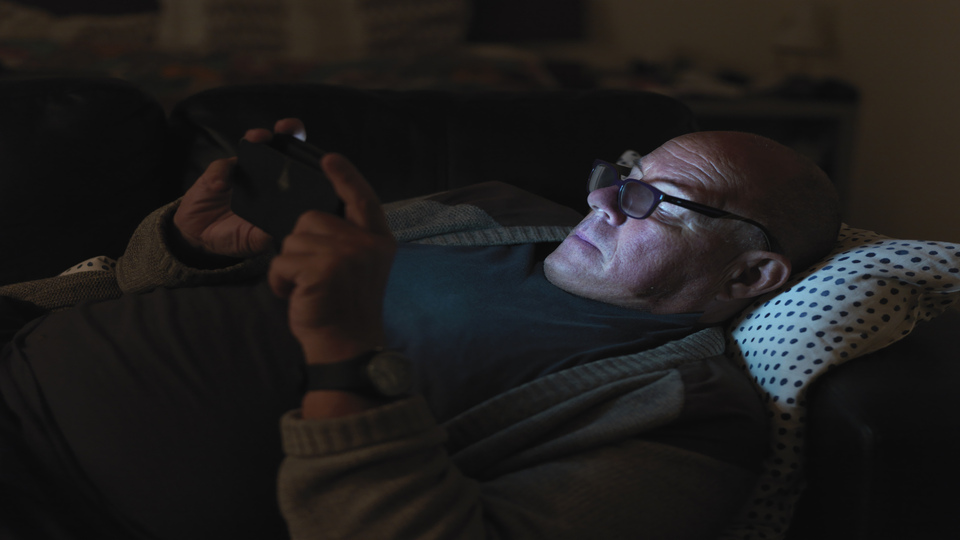
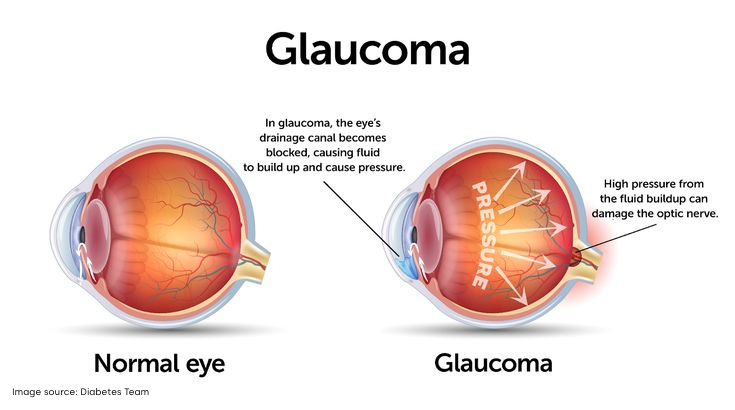
Glaucoma is often called a “silent” eye condition, not because it is rare, but because it usually develops without warning signs. Many people with glaucoma see well for years before noticing any change in vision. By the time symptoms appear, permanent vision loss may have occurred.
This is why glaucoma screening is crucial for long-term eye health. While routine eye checks are important for everyone, some people need to begin screening earlier because of higher risk factors. Knowing if you are in this group can help protect your vision before problems arise.
Why It Matters
Glaucoma-related vision loss is irreversible, but largely preventable when detected early. Because symptoms appear late, screening is often the only way to identify the condition early. Early detection allows treatment to begin before vision is affected, helping preserve quality of life and independence.
Insights
-
Glaucoma often develops without early symptoms.
-
Vision loss usually starts in peripheral vision and progresses silently
-
Early screening can detect optic nerve damage before vision changes occur.
-
Treatment can slow or stop progression when started early.
-
Regular monitoring is key to preserving long-term vision.
Warning Signs
One of the most challenging aspects of glaucoma is that the early stages usually have no noticeable symptoms. As the condition progresses, signs may include: loss of side (peripheral) vision.
-
Difficulty seeing in low-light environments
-
Tunnel vision in later stages
-
In rare cases, eye pain, redness, or sudden vision changes
Because these signs often appear late, relying on symptoms alone is not a reliable way to detect glaucoma. Screening is especially important for people with known risk factors.
FAQ Section
Q: If I don't have symptoms, do I still need glaucoma screening?
Yes. Most people with early glaucoma have no symptoms, which is why screening is essential.
Q: Can glaucoma vision loss be reversed?
No. Vision loss from glaucoma cannot be restored, but early treatment can prevent further damage.
Q: How often should glaucoma screening be done?
The frequency depends on age, risk factors, and eye health. An eye specialist can recommend an appropriate schedule.
How We Help
At Barraquer Eye Hospital UAE, glaucoma screening is carried out with precision and care. Non-invasive tests assess eye pressure, optic nerve health, and visual field function to detect subtle changes early.
This approach allows for timely intervention and personalized management plans tailored to each patient's risk profile.
Our Specialists
Dr. Muhsen Samaan
is a Consultant Glaucoma Specialist and Medical Director of Barraquer Eye Hospital UAE, with more than 40 years of experience in the diagnosis and management of all forms of glaucoma. He has extensive expertise in laser treatments, Micro-Invasive Glaucoma Surgery (MIGS), and advanced glaucoma surgical procedures aimed at preserving vision and controlling intraocular pressure.
Dr. Samaan is providing comprehensive glaucoma management for both adult and pediatric patients.
Conclusion
Because glaucoma often develops without symptoms, screening remains the most reliable way to protect your vision. Individuals with a family history of glaucoma, diabetes, long-term steroid use, or elevated eye pressure may benefit from starting screening earlier than standard recommendations.
At Barraquer Eye Hospital UAE, advanced diagnostic tools and specialist expertise help identify glaucoma early and guide personalized care plans to preserve vision in the long term.
If you have risk factors or concerns, a specialist consultation can provide clarity, reassurance, and proactive eye care.
Schedule a consultation today
-
Email: appointments@barraquer.ae
-
Phone (outside UAE): +971 4 573 9999
-
Toll-Free (inside UAE): 800 234 823 (BEHUAE)
-
Working Hours: Daily from 8:30 AM to 6:00 PM
Extended hours on Mondays until 8:00 PM