You Have High Myopia? Here's What You Need to Know About Protecting Your Vision.
30/06/2026
11/05/2026
Many of my diabetic patients come to my clinic believing that if their blood sugar readings are normal, or their HbA1c is within target, their eyes are automatically safe. While it’s a reasonable assumption, the truth is more complex.
In this article, I will address the most common concerns I hear from patients about how diabetes can affect the retina
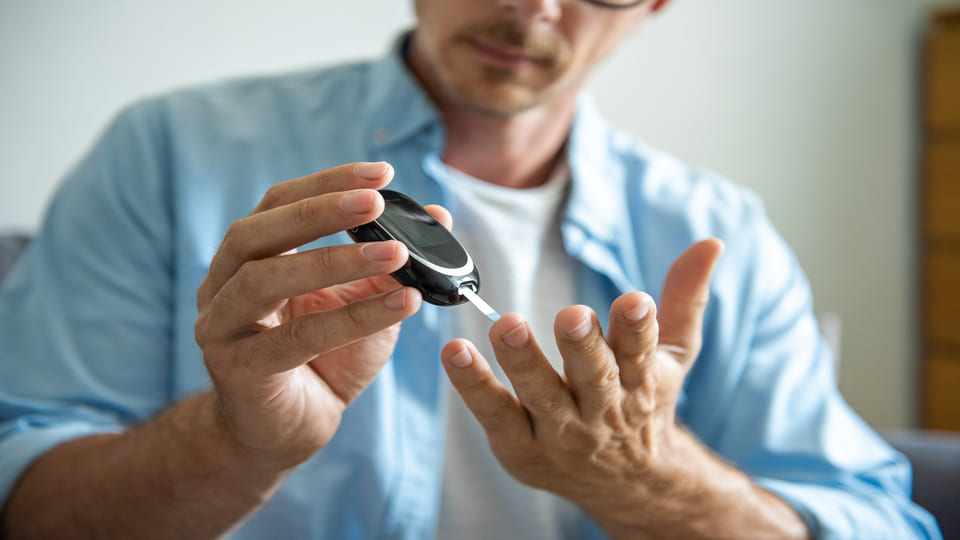
When you check your glucose at home, you are having one reading at one moment in time. Though that number may be reassuring, it does not tell us what happened after your meals, during the night, or on days of stress. Blood sugar can fluctuate significantly without causing noticeable symptoms and those fluctuations may still affect the small, delicate blood vessels in the retina.
For your eyes, consistency matters more than isolated normal readings. I am not only interested in what your sugar level is at 8 a.m, I care more about how stable it is throughout the day and over months and years.
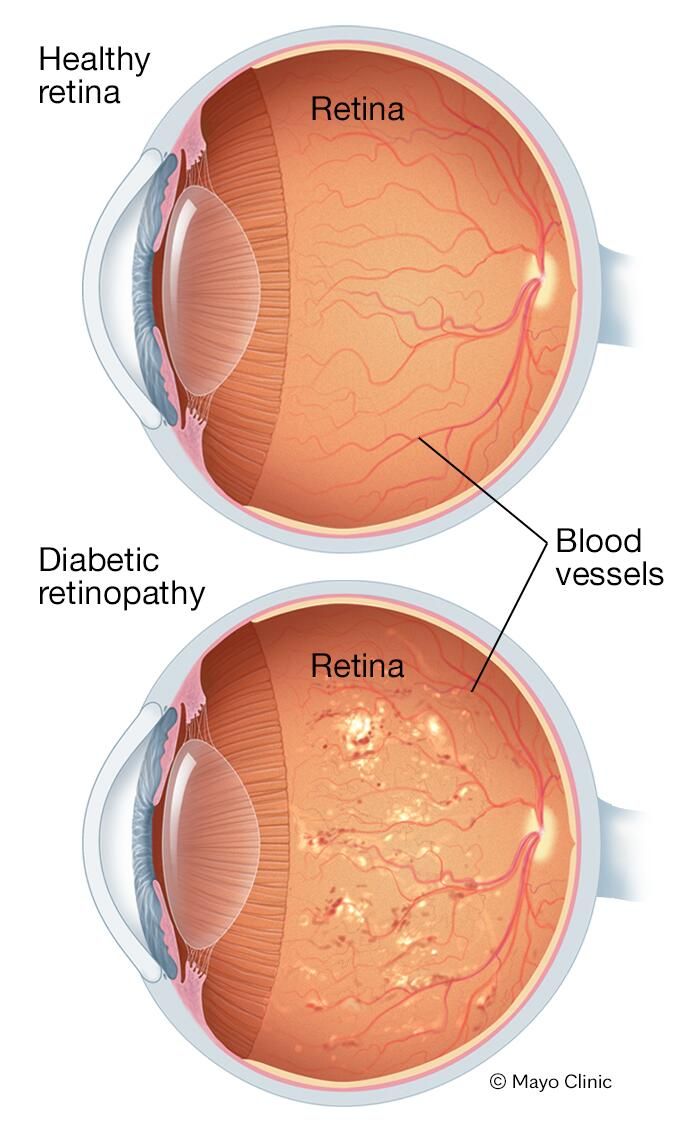
HbA1c is extremely important. It reflects your average blood sugar over approximately three months, and we know from major studies such as the Diabetes Control and Complications Trial and the United Kingdom Prospective Diabetes Study that better long-term control significantly reduces the risk of diabetic retinopathy progression.
However, HbA1c is an average. Two patients may have the same HbA1c, but one has stable glucose levels while the other experiences frequent highs and lows. Emerging evidence suggests that these fluctuations (what we call glycemic variability) may place additional stress on blood vessels, including those in the retina.
So yes, HbA1c is essential. But stability is just as important as the number itself.
In some cases, yes. Scheduled testing at different times, including after meals, can reveal spikes that fasting measurements might miss. Continuous glucose monitoring devices provide even more detailed information, showing not just average levels but trends, variability, and time spent within target range.
For certain patients, especially those with established, progressive retinopathy or fluctuating control, this additional information can help achieve steadier metabolic control, which ultimately benefits the eyes.
This can be confusing to people living with diabetes. The answer is yes, temporarily.
When someone has had poorly controlled diabetes for years and blood sugar is lowered rapidly, the retina may sometimes react with short-term worsening. This is known as early worsening of diabetic retinopathy. It is thought to result from sudden changes in retinal blood flow, oxygenation and growth factor activity.
Importantly, this does not mean improving diabetes is harmful. On the contrary, good long-term control is protective. This emphasizes the need for slow adjustment of glucose levels and closer retinal follow-ups during those periods.
No, and this is something I emphasize strongly.
Diabetes rarely exists alone. More than 70 percent of patients with type 2 diabetes have at least one additional chronic condition. High blood pressure affects the majority of these patients and significantly increases the risk of retinal bleeding and macular edema. Abnormal cholesterol levels are also common and contribute to lipid deposits in the retina. Kidney disease, which develops in approximately 20 to 40 percent of patients with diabetes, often parallels retinal disease because both organs share similar microvascular structures. It is always recommended to actively control these factors, because managing blood pressure, cholesterol, and kidney health can significantly reduce the risk of retinal complications
Absolutely.
Early diabetic retinopathy often causes no symptoms. I frequently examine patients who see perfectly well yet already show retinal changes. By the time vision becomes blurred, the disease may be more advanced and treatment more complex.
Regular examinations allow us to detect changes early, when prevention is possible, intervention is simpler and outcomes are better.
Diabetic retinopathy develops over years of metabolic and vascular strain, not just from elevated glucose.
Stable HbA1c levels, minimal glucose fluctuations, controlled blood pressure, healthy cholesterol levels, preserved kidney function, and regular retinal follow-up together provide the strongest protection for your vision.
The goal is not only to treat retinopathy when it appears, but to help you prevent it from progressing. Consistency, monitoring, and collaboration between you and your medical team are the most powerful tools we have to preserve your sight
Email: appointments@barraquer.ae
Phone (outside UAE): +971 4 573 9999
Toll-Free (inside UAE): 800 234 823 (BEHUAE)
Working Hours & Location: Click on Google Map Link