Key points to distinguish between retinal detachment and vitreous detachment
23/10/2026
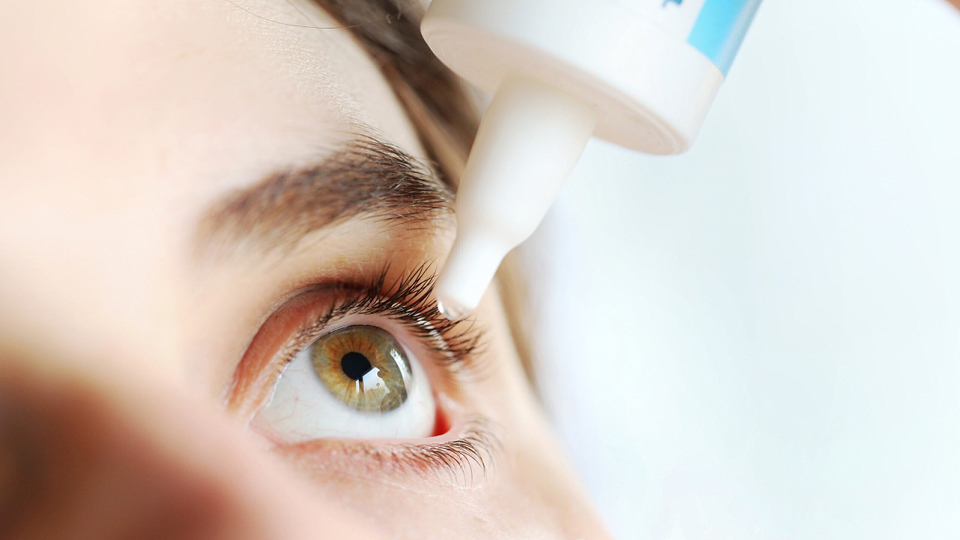

Dry eye syndrome is one of the most frequent reasons for consultation in ophthalmology. Many people use artificial tears to relieve dryness, irritation, or the sensation of grit in the eyes. However, despite their widespread use, there are still numerous myths and misuse errors that can limit their effectiveness or create confusion.
Artificial tears are eye drops designed to lubricate and stabilize the surface of the eye, partially mimicking the function of natural tears. Their main goal is to relieve symptoms associated with dry eye, such as:
These solutions contain different lubricating components, such as hyaluronic acid, carboxymethylcellulose, or hydroxypropyl methylcellulose, which help improve ocular hydration and stabilize the tear film.
Although they are safe products and widely recommended, many misconceptions circulate around artificial tears.
This is one of the most common mistakes.
Artificial tears do not cure dry eye syndrome; they relieve symptoms and improve lubrication of the ocular surface. Dry eye is a multifactorial disease that can have various causes, such as:
Therefore, in many cases, treatment requires other complementary strategies, such as eyelid hygiene, anti-inflammatory treatments, or specific therapies for the ocular surface.
Not all artificial tears have the same composition or indication.
There are different formulations designed for specific types of dry eye. Some have greater lubricating capacity, while others aim to improve tear film stability.
| Type of artificial tear |
Main characteristic |
When they are used |
|
With hyaluronic acid |
High hydration capacity |
Mild to moderate dry eye |
|
With viscous agents |
Longer retention time |
Persistent symptoms |
|
Preservative-free |
Less ocular irritation | |
Frequent or chronic use |
|
With lipid components |
Improve the lipid layer of the tear |
Meibomian gland dysfunction |
The choice of artificial tear should be adapted to the type of dry eye and the characteristics of the patient.
A common concern is that the eye will “get used to” artificial tears and stop producing natural tears.
In reality, artificial tears do not cause dependence. Their function is simply to supplement or improve ocular lubrication, especially when natural tears are insufficient or of poor quality.
In patients with chronic dry eye, regular use may be necessary to maintain ocular comfort.
Excessive use of artificial tears does not always improve symptoms.
Applying them too frequently may cause:
For this reason, it is important to follow the regimen recommended by the ophthalmologist, especially when the drops contain preservatives.
Many people use artificial tears for months without consulting a specialist.
However, dry eye symptoms may also be associated with other conditions, such as:
An appropriate diagnosis makes it possible to identify the real cause of the problem and establish the most suitable treatment.
In addition to these myths, there are some very common usage errors.
|
Common mistake |
Consequence |
|
Using preservative-containing drops very frequently |
May irritate ocular surface |
|
Not maintaining proper bottle hygiene respetar la higiene del envase |
Risk of contamination |
|
Applying drops incorrectly |
Reduced treatment effectiveness |
|
Sharing eye drops between people |
Risk of infection |
If dry eye symptoms persist despite the use of artificial tears, an ophthalmological evaluation is recommended.
At Barraquer, we analyze the ocular surface using specific tests that allow us to assess:
This evaluation makes it possible to identify the cause of dry eye and design a personalized treatment.
Artificial tears are a fundamental tool for relieving dry eye symptoms, but their effectiveness largely depends on using them correctly and choosing the appropriate formulation.
Avoiding myths and common mistakes allows better use of their benefits and improves ocular comfort. At Barraquer, we understand that dry eye can significantly affect quality of life. Therefore, a specialized evaluation is key to identifying the cause of the problem and offering the most appropriate treatment for each patient.
Dr. Anna Hermosa, ophthalmologist at Barraquer Ophthalmology Centre
El ojo seco es una patología crónica que consiste en la escasez de la cantidad de lágrima y/o en el deterioro de la calidad de la misma produciendo una inflamación de la superficie del ojo. Las lágrimas son esenciales para mantener la superficie del ojo lubricada, proporcionarle nutrientes y protegerlo contra infecciones. En este capítulo hablamos con el doctor Rubén Delgado sobre algunas cuestiones básicas sobre el ojo seco y los tratamientos que ofrecemos en Barraquer.