Dry eye and hormonal changes: adolescence, pregnancy and menopause
03/09/2026
29/12/2025
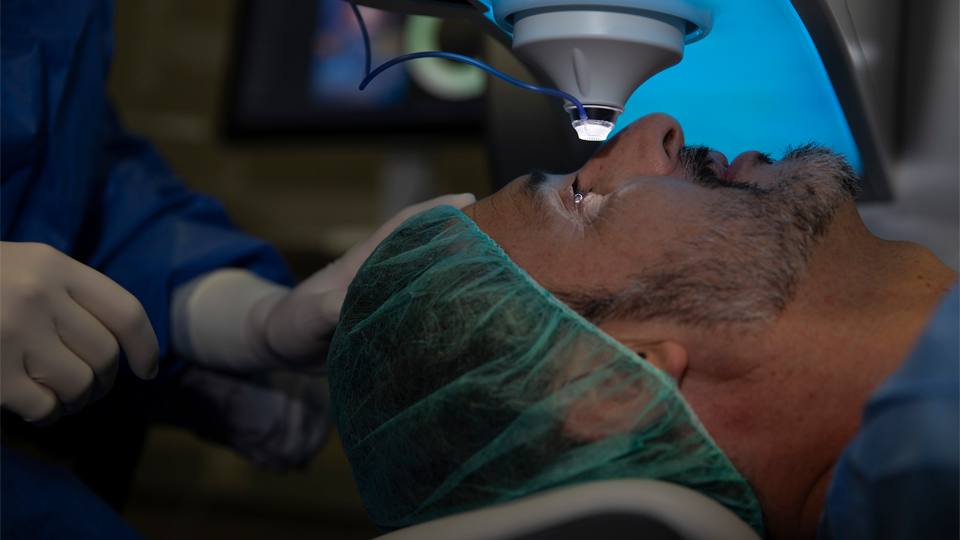
LASIK surgery is one of the most popular and effective procedures for correcting refractive errors such as myopia, hyperopia, and astigmatism. Its minimally invasive nature and rapid recovery make it an ideal option for those seeking a long-lasting visual solution.
However, the success of the procedure depends not only on the surgical intervention itself, but also on properly following medical instructions during the LASIK postoperative period. Below, we explain what recovery after LASIK surgery is like, what care you should take into account, and what to do and what to avoid after LASIK surgery to ensure optimal recovery.
For optimal recovery, it is essential to follow these recommendations:
Is it normal to have blurred vision after LASIK? Yes, it is common to experience blurred vision during the first hours or days after surgery. This usually improves progressively.
How long should I avoid screens after LASIK? It is recommended to minimize the use of electronic devices during the first 24 to 48 hours to facilitate recovery.
What are the common side effects after LASIK surgery? Some patients may experience dry eyes, light sensitivity, nighttime halos, or glare. These symptoms are usually temporary and decrease over time.
When can I resume sports activities? Low-impact activities can be resumed after some time, but it is advisable to wait at least a couple of months before engaging in contact or water sports.
Dr. Milan Pesic, ophthalmologist at the Barraquer Ophthalmology Centre
Almost all wearers of glasses and contact lenses consider reducing their prescription with refractive techniques at some point. In this chapter we explain all the options and help you know when it is worth having surgery, who is a good candidate and why it is so important to choose where to go.