Key points to distinguish between retinal detachment and vitreous detachment
23/10/2026
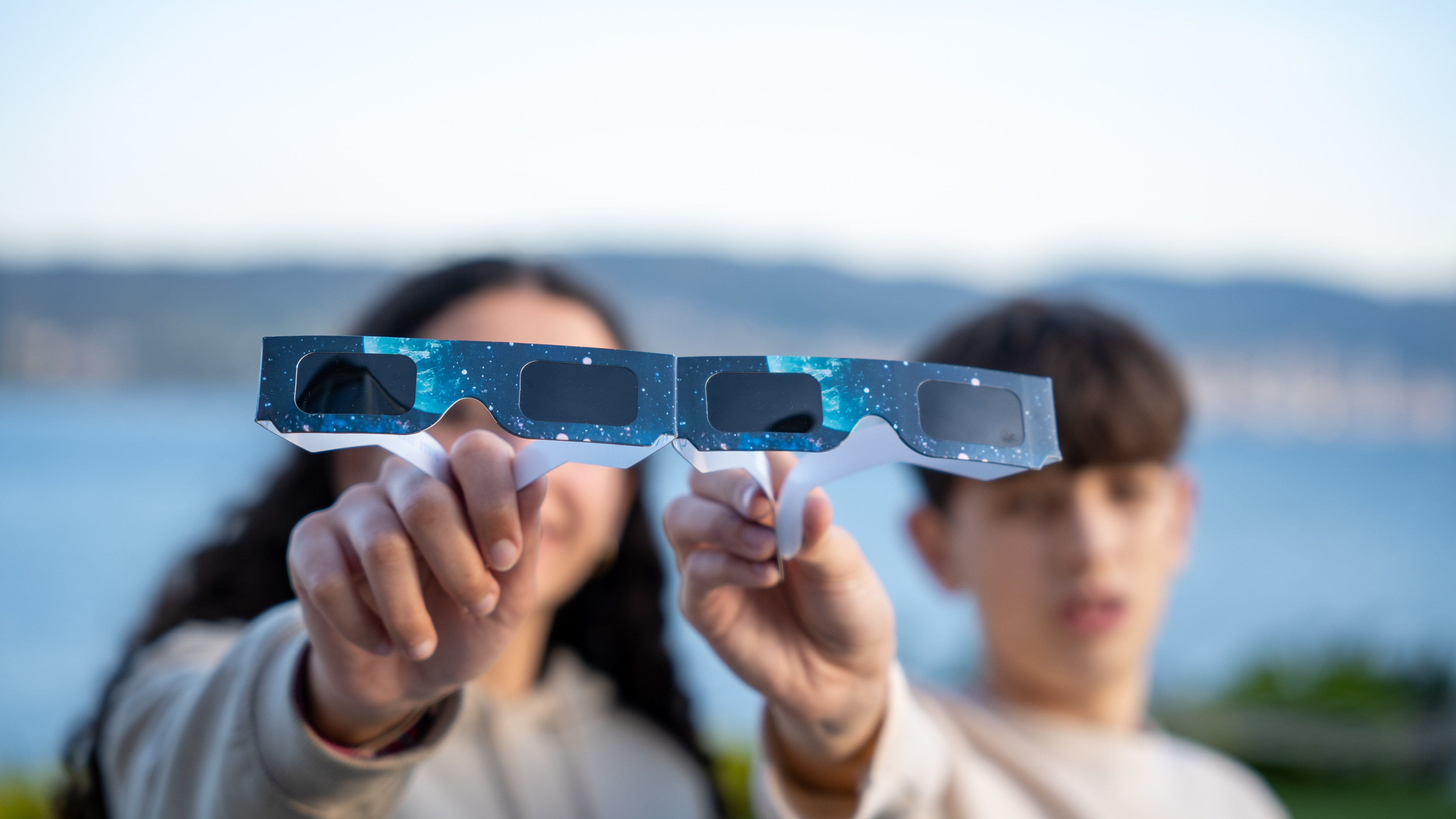

On 12 August, a solar eclipse will occur, a relatively rare phenomenon that will attract considerable interest. However, observing it without taking the appropriate precautions can cause retinal damage. At Barraquer, we would like to remind you that the way to enjoy it safely is simple: never look directly at the Sun without approved eye protection.
During an eclipse, sunlight may appear less intense, but it is still capable of damaging the retina. The retina is a highly sensitive structure, comparable to a camera sensor: if it receives too much direct light, it can be damaged.
The main risk is solar retinopathy, an injury that can particularly affect the central area of vision. Most importantly, this damage can occur without immediate pain, because the retina does not have pain sensitivity in the same way as other parts of the body.
To look directly at the eclipse, it is essential to use approved eclipse glasses or solar viewers certified for this type of observation.
Conventional sunglasses are not suitable, even if they are very dark. Homemade filters, X-ray films, smoked glass and other improvised methods are not safe either.
Before using eclipse glasses, it is advisable to check that:
The basic recommendation is clear: if any part of the Sun is visible, approved eye protection must be used.
To do so correctly:
The eclipse can also be observed indirectly using projection methods. This option is particularly useful for children, schools or people who prefer not to look directly at the Sun.
If you experience visual discomfort after observing the eclipse, it is advisable to consult an ophthalmologist. Some symptoms may indicate retinal damage.
The most common warning signs are:
At Barraquer, we recommend not waiting if these symptoms persist. An ophthalmological examination allows the retina to be assessed and any abnormalities to be identified.
Children can enjoy the eclipse, but they need closer supervision. They may easily remove their glasses too soon, look over the filter or share damaged viewers.
To reduce the risks:
At Barraquer, we understand that an eclipse can be an educational and exciting experience for children. The key is to make eye protection a natural part of the activity.
Dr Anton Barraquer, ophthalmologist at the Barraquer Ophthalmology Centre