When do we perform a fundus examination?
06/10/2026
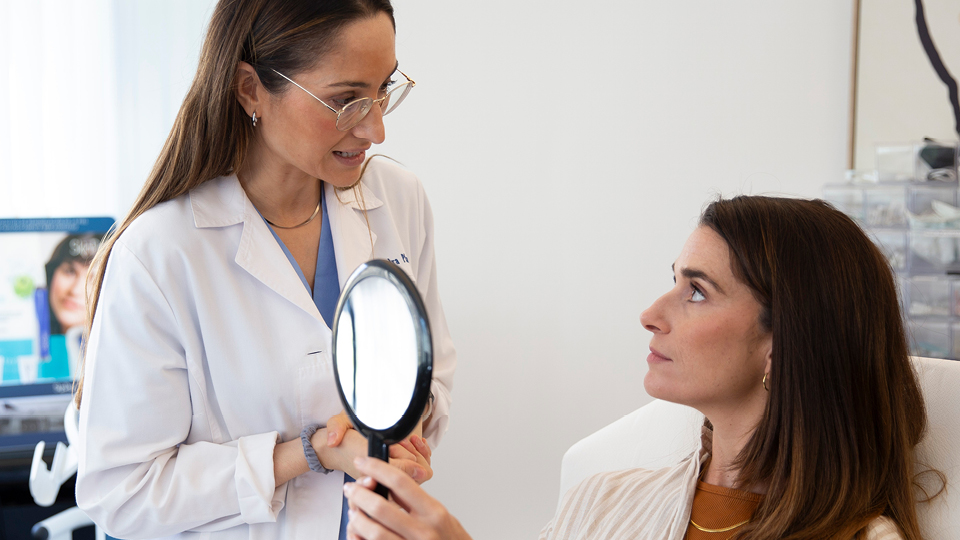

Aesthetic medicine treatments are not only a corrective "solution" for those who already show signs of ageing. Increasingly, they are also understood as an effective preventive tool that allows the skin to be cared for and treated before signs of ageing such as pronounced wrinkles, sagging or loss of volume appear.
Although many people associate these procedures with artificial or aggressive results, the reality is quite the opposite: current techniques aim to inject in an individualised way, and only what is necessary, in order to preserve the natural appearance of each face.
As long as the patient is of legal age, has no medical contraindications and undergoes an appropriate professional assessment, there is no fixed age to begin aesthetic treatment. What matters is to proceed with medical judgement, always seeking the patient’s wellbeing and respecting the characteristics of each anatomy and each skin type.
One of the most prominent trends is preventive treatment in young patients who do not yet show evident signs of ageing. These early treatments help to maintain skin quality and provide radiance and firmness, preventing the formation of deep wrinkles, as well as spots or other imperfections.
For example, in patients with expression lines in the upper third of the face—forehead, crow’s feet and frown lines—neuromodulators applied preventively help to relax the muscles without eliminating natural expression. This results in a rested, rejuvenated appearance with long-lasting results.
In short, starting earlier is not harmful, provided that the aim is always to respect each patient’s natural features and the treatment is carried out under the guidance of a specialised medical team.
Dr Sandra Planella, ophthalmologist at the Barraquer Ophthalmology Centre