Talking to Dr Rob van der Veen
15/10/2026
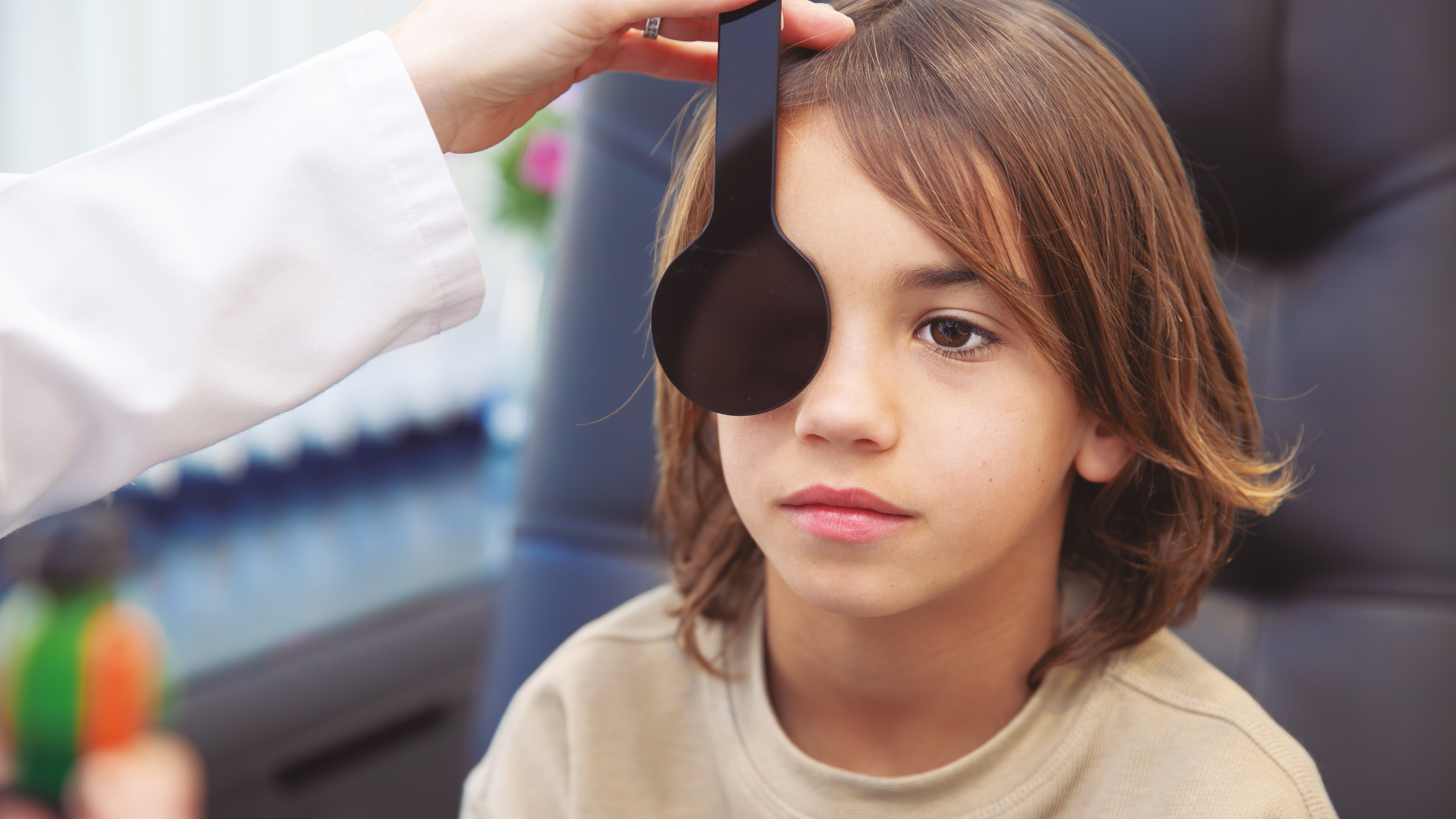

Ophthalmic procedures in childhood generally have a favourable prognosis, but success does not depend solely on the surgery itself. The postoperative period is crucial and requires special attention from families to ensure a safe and effective recovery.
One of the most important aspects is strictly following the ophthalmologist's instructions. This includes the correct administration of eye drops or ointments, adhering to the prescribed schedules and doses. These treatments help prevent infections, control inflammation and promote proper healing.
It is common for children to experience mild discomfort, redness or watering of the eyes during the first few days. However, if severe pain, excessive discharge or a sudden decrease in vision occurs, it is essential to consult the specialist immediately.
Hygiene also plays a key role in preventing one of the most serious complications: infection.
It is important to keep hands clean at all times and prevent the child from rubbing their eyes. During the first two weeks, it is advisable to avoid playing in areas with sand, dust or dirt. In some cases, the use of protective eye shields is recommended, particularly during sleep, to prevent accidental injuries.
As for daily activities, rough play, sports and water-based activities should be restricted for the period indicated by the doctor. However, it is recommended that children are kept entertained with board games or other quiet activities at home, outdoor walks or even limited screen time, to make the postoperative period more manageable. Returning to school is usually possible quite quickly, although this should be adapted to each individual case.
Finally, postoperative check-ups allow the specialist to assess recovery and detect any potential complications at an early stage. Collaboration between the medical team and the family is essential.
Dr Anna Monés, ophthalmologist at the Barraquer Ophthalmology Centre.