When do we perform a fundus examination?
06/10/2026
05/12/2025
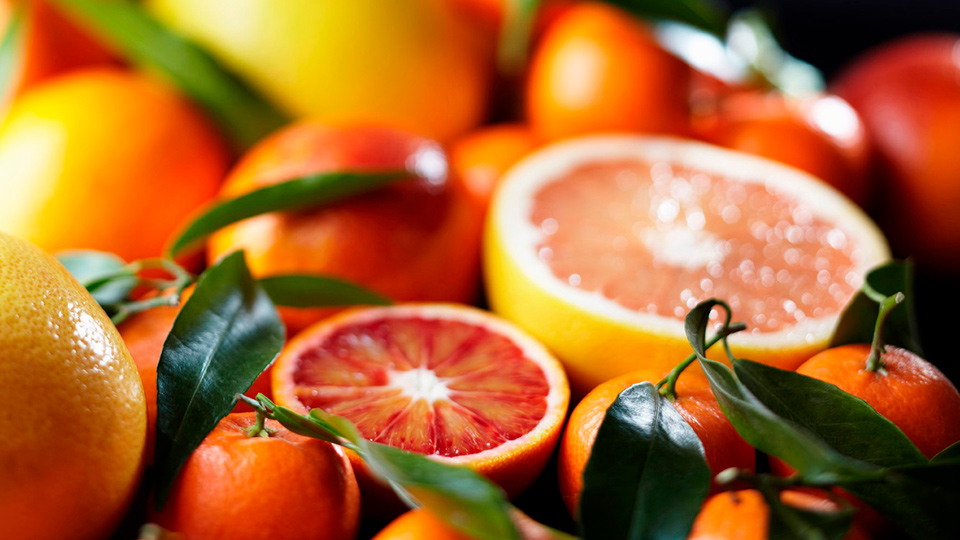
Adding citrus fruits (orange, kiwi, lemon, etc.) rich in vitamin C allows us to increase the production of white blood cells. Leafy green vegetables, such as spinach, Swiss chard, and kale, provide iron, folic acid, and antioxidants that support cell regeneration. Vegetables like broccoli, cauliflower, and red bell pepper are excellent sources of vitamins A, C, and E, and fiber.
Garlic, onion, and ginger contain compounds that help fight bacteria and viruses, in addition to reducing inflammation. Turmeric, thanks to curcumin, acts as a natural anti-inflammatory. Fatty fish (salmon, tuna, sardine, etc.) provide omega-3, which helps us modulate the inflammatory response. Legumes, lean meats, and eggs are sources of protein and zinc, indispensable for the formation of antibodies.
Natural yogurts, kefir, and other fermented foods strengthen the intestinal microbiota, which is a first line of defense against pathogens. Walnuts, almonds, sunflower seeds, and pumpkin seeds provide vitamin E, zinc, and selenium—powerful antioxidants that protect immune cells.
Complementing a balanced diet with the characteristics mentioned above, along with good hydration, moderate exercise, stress management, and taking care of sleep quality, is essential for keeping the immune system in optimal condition.