Specular microscopy
19/10/2026
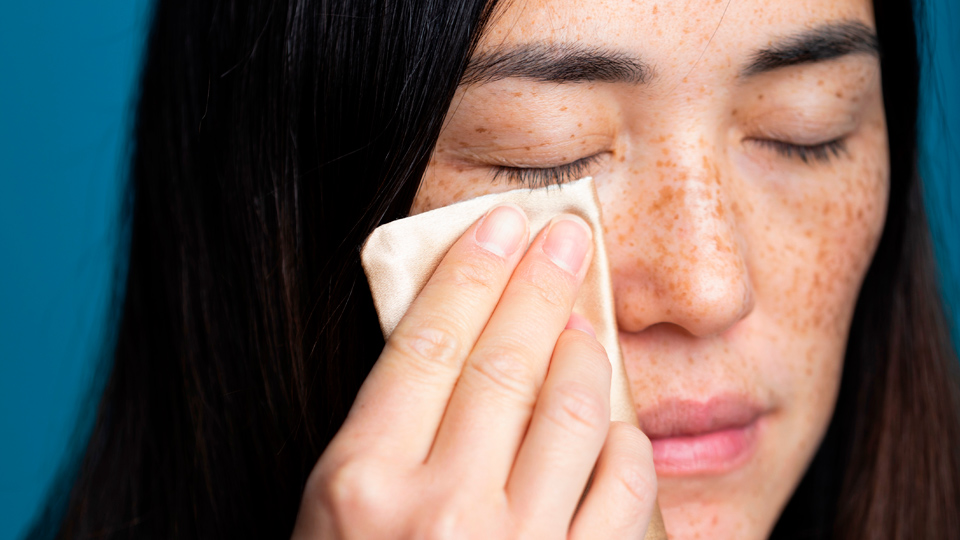

Blepharitis is an inflammation of the eyelids, particularly of the eyelid margins, which affects people of all ages, both adults and children. Although it is usually chronic and does not always have a definitive cure, proper eyelid hygiene is key to relieving symptoms and preventing complications.
Without proper management, blepharitis can lead to problems such as styes, chalazia and chronic conditions of the ocular surface, such as conjunctivitis or corneal lesions that compromise visual quality. In addition, it is frequently associated with dry eye syndrome, as inflammation affects the production and quality of tears, exacerbating ocular discomfort.
Maintaining correct eyelid hygiene is essential for controlling blepharitis. Regular cleaning helps to remove bacteria, oil residues and cellular debris that contribute to inflammation. It also improves the function of the Meibomian glands, reduces the accumulation of secretions and stabilises the tear film. A daily hygiene routine can relieve symptoms and prevent recurrences.
Apply dry heat to the eyelids for 5–10 minutes. Specific eye masks are available for this purpose. Heat facilitates drainage of the Meibomian glands and helps to open the gland outlet openings.
After applying heat, gently massage the eyelid margins to release retained secretions and drain the glands.
Use specific products for the eyelids, such as wipes or cleansing foams, which help to keep the eyelid margin clean.
You can also use a mixture of warm water with a few drops of baby shampoo with a neutral pH.
Cleaning the eyelids is essential. In cases of bacterial infections, the ophthalmologist may prescribe topical antibiotics. For Demodex infestations, tea tree oil-based products are usually indicated, specifically for eyelid use. In persistent cases, professional micro-exfoliation of the eyelid margins may be necessary.
The basic treatment includes dry heat with an eye mask and regular massages. If these measures are not sufficient, advanced therapies such as regulated intense pulsed light, or IPL, may be used, as it helps to unblock the Meibomian glands.
In both types of blepharitis, the use of artificial tears can be useful to maintain ocular lubrication until the quality of the tear film stabilises.
With a consistent hygiene routine and the treatments indicated by the specialist, it is possible to control the symptoms of blepharitis and significantly improve quality of life.
Dr. Ainhoa Martínez Grau, ophthalmologist at Barraquer Ophthalmology Centre
El ojo seco es una patología crónica que consiste en la escasez de la cantidad de lágrima y/o en el deterioro de la calidad de la misma produciendo una inflamación de la superficie del ojo. Las lágrimas son esenciales para mantener la superficie del ojo lubricada, proporcionarle nutrientes y protegerlo contra infecciones. En este capítulo hablamos con el doctor Rubén Delgado sobre algunas cuestiones básicas sobre el ojo seco y los tratamientos que ofrecemos en Barraquer.