News

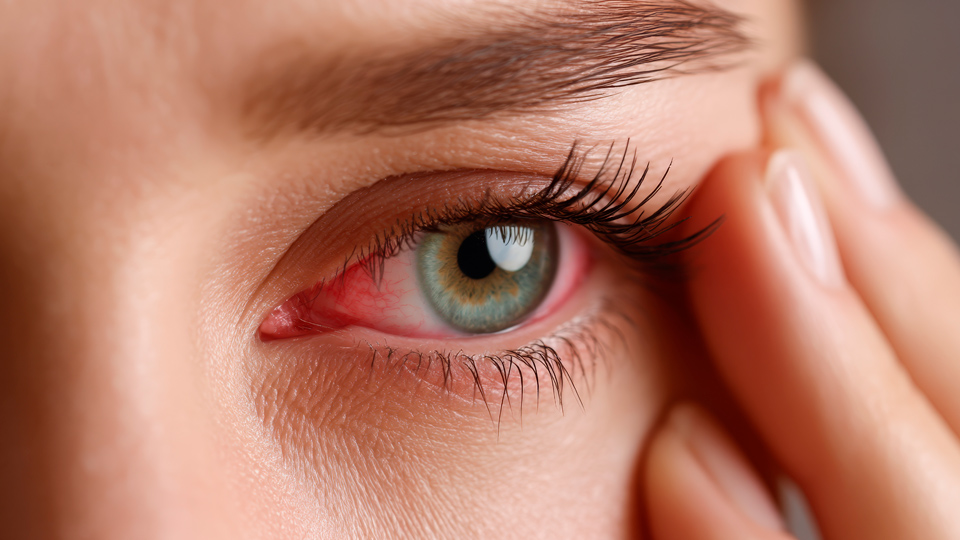
Eye infections that can affect vision

21/11/2025

Eye infections are a common reason for ophthalmology consultations. Although many are mild, others can seriously compromise vision if not treated in time. At Barraquer, we understand the importance of early diagnosis and appropriate treatment to preserve visual health.

How do eye infections occur?

The main risk factors include:

  • Poor hygiene in the use of contact lenses
  • Contaminated eye make-up
  • A weakened immune system
  • Eye injuries
  • Contagion (swimming pools, rubbing the eyes, etc.)

Main types of eye infections

1. Conjunctivitis: the most common

Conjunctivitis is inflammation of the conjunctiva, the membrane that lines the inside of the eyelid and the white part of the eye. It may be:

  • Viral: highly contagious, often accompanied by watery discharge, itching, light sensitivity, and general discomfort (fever, sore throat)
  • Bacterial: thick yellowish or greenish discharge. Usually requires topical antibiotics
  • Allergic: more common in spring. Not infectious, but causes significant itching

2. Keratitis: when the cornea is affected

Keratitis is an infection of the cornea and may be caused by:

  • Viruses, such as herpes simplex
  • Bacteria, especially in contact lens users
  • Fungi, often occurring after trauma involving plant material
  • Protozoa, such as Acanthamoeba

Symptoms: intense eye pain, blurred vision, photophobia, tearing

3. Blepharitis: infection of the eyelid margin

Blepharitis affects the eyelash follicles and can become chronic. It is often associated with:

  • Bacterial overgrowth
  • The presence of mites such as Demodex

Symptoms: red eyelids, scaling, itching, foreign body sensation

4. Fungal infections

Less common but more serious, fungal infections may result from trauma with vegetation or improper use of lenses. Diagnosis can be complex.

Key signs: redness, progressive pain, discharge, photophobia

5. Parasitic infections: ocular toxoplasmosis

Caused by Toxoplasma gondii, it particularly affects immunocompromised individuals. Ocular toxoplasmosis can cause irreversible retinal damage.

Symptoms: reduced visual acuity, floaters, eye inflammation

Summary table of eye infections

Type of infection

Causal agent

Common symptoms

Severity

Viral conjunctivitis

Adenovirus

Itching, tearing, fever

Mild to moderate

Bacterial keratitis

Bacteria

Pain, photophobia, discharge

High

Blepharitis

Bacteria / mites

Crusting, itching

Chronic, manageable

Fungal keratitis

Fungi

Pain, redness

High

Toxoplasmosis

Parasite

Loss of vision

Severe

Prevention: habits to protect your eye health

  • Wash your hands before touching your eyes or handling lenses
  • Do not share make-up or towels
  • Follow instructions for use and cleaning of contact lenses
  • Visit an ophthalmologist if any discomfort persists

Frequently asked questions about eye infections

  1. When should I see a doctor about a red eye? When there is pain, blurred vision, discharge, or the redness does not improve within 24–48 hours.
  2. Are eye infections contagious? Some are, such as viral and bacterial conjunctivitis. Avoid direct contact and sharing personal items.
  3. Can they be prevented with antibacterial eyedrops? Using eyedrops without medical advice is not recommended. Prevention is based on hygiene and proper lens use.
  4. What are the risks of sleeping with contact lenses? It increases the risk of serious infections such as keratitis, especially from Acanthamoeba.
  5. Does conjunctivitis always require antibiotics? No. Only bacterial conjunctivitis needs antibiotics. Viral and allergic types are treated differently.
  6. Can an infection leave permanent damage? Yes, particularly if it affects the cornea or retina. Early treatment is crucial.
  7. Are children more prone to these infections? Yes, especially to conjunctivitis, due to their frequent contact with other children and still-immature hygiene habits.

Eye infections are treatable in most cases, but they require prompt professional assessment. At Barraquer, we have a leading ophthalmology team to ensure you receive an accurate diagnosis and effective treatment.

Dr. Victor Charoenrook, ophthalmologist at the Barraquer Ophthalmology Centre

Newsletter