Talking to Dr Rob van der Veen
15/10/2026
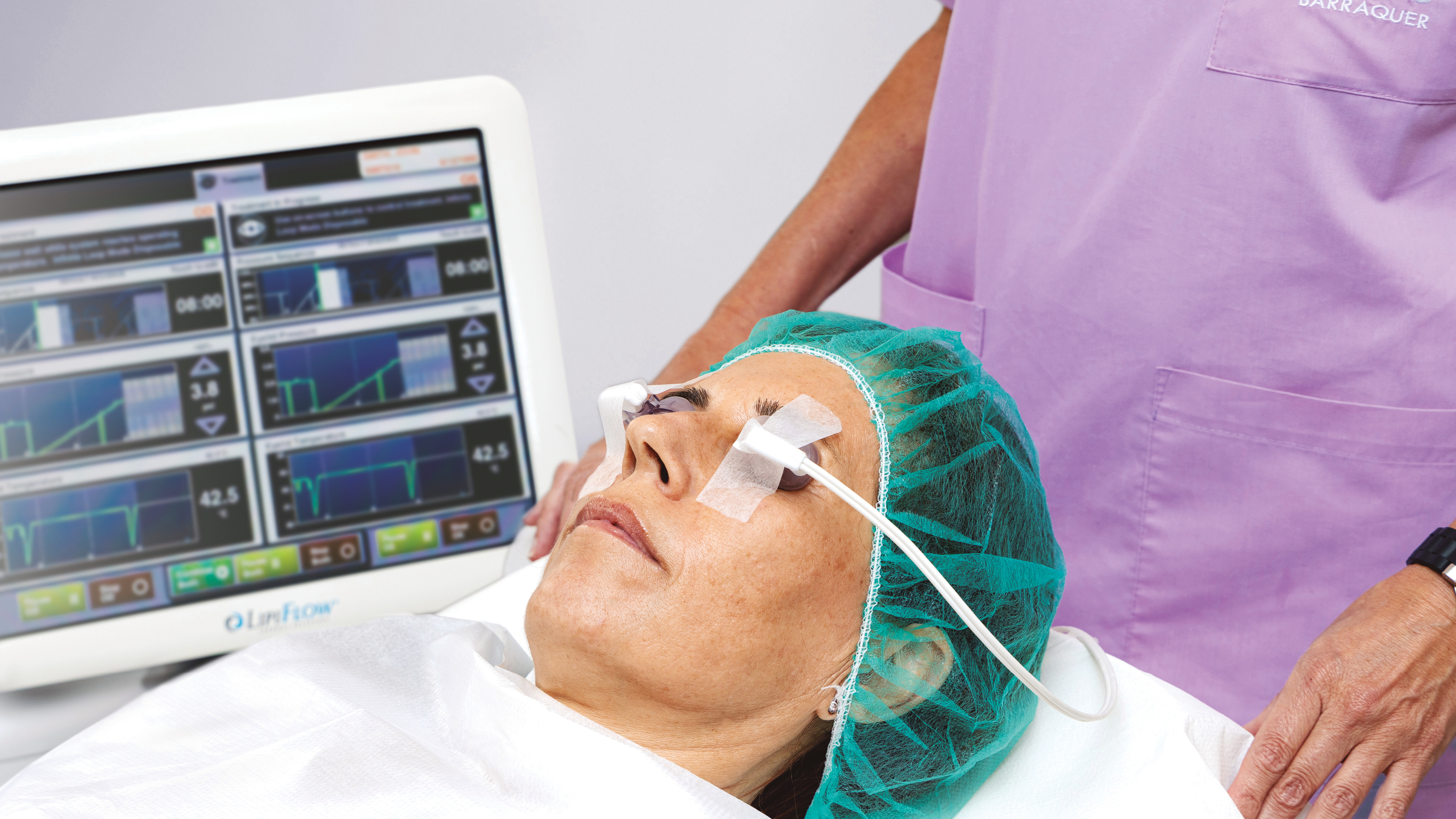

Dry eye is one of the most common eye conditions and, in many cases, is related to Meibomian gland dysfunction. These small structures located along the eyelid margin are responsible for producing the lipid layer of the tears, which is essential for maintaining stability and preventing premature evaporation.
When Meibomian gland dysfunction occurs, it causes instability of the tear film, which can lead to symptoms such as dryness, stinging, a gritty sensation, redness or episodes of blurred vision that typically improve with blinking.
LipiFlow is a medical treatment specifically designed to address this cause of dry eye directly. It uses vectored thermal pulsation technology, combining controlled heat and pulsating pressure on the eyelids. This system helps to liquefy secretions obstructing the glands and facilitates their evacuation, thereby restoring their natural function.
The treatment is indicated for patients with evaporative dry eye, particularly those who do not experience improvement with conventional therapies. It is also an effective option for people with eye discomfort associated with prolonged screen use or visual fatigue.
The procedure is performed on an outpatient basis, takes approximately 12 minutes and is carried out after topical anaesthetic drops are applied to ensure comfort. Using a sterile, single-use device, heat is applied to the inner surface of the eyelid while gentle, rhythmic pressure is applied externally. After the session, the patient can immediately resume their usual activities.
Various clinical studies have shown that a single treatment can produce a significant and sustained improvement in both gland function and symptoms. The benefits usually last for several months, with a progressive improvement in tear film stability.
LipiFlow is a safe procedure. Any side effects that occur are usually mild and temporary, such as redness or slight irritation. The treatment should always be recommended following a specialised ophthalmological assessment to ensure that it is suitable for each individual case.
Dr Rubén Delgado, ophthalmologist at the Barraquer Ophthalmology Centre
El ojo seco es una patología crónica que consiste en la escasez de la cantidad de lágrima y/o en el deterioro de la calidad de la misma produciendo una inflamación de la superficie del ojo. Las lágrimas son esenciales para mantener la superficie del ojo lubricada, proporcionarle nutrientes y protegerlo contra infecciones. En este capítulo hablamos con el doctor Rubén Delgado sobre algunas cuestiones básicas sobre el ojo seco y los tratamientos que ofrecemos en Barraquer.