Key points to distinguish between retinal detachment and vitreous detachment
23/10/2026
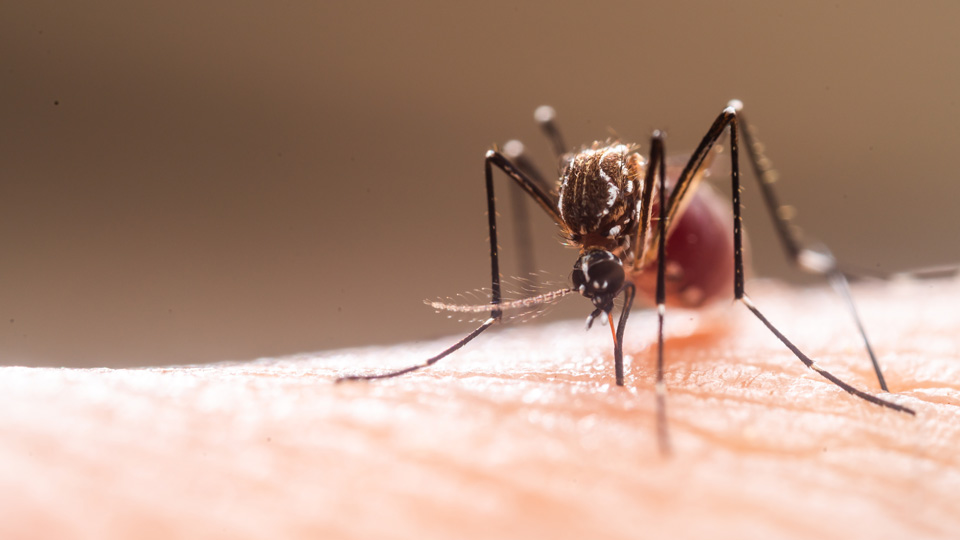

Insect bites to the eye are uncommon, but they can be especially bothersome and, in some cases, dangerous. Below, we offer you a complete guide to recognising the symptoms and applying first aid to prevent them from becoming a painful experience.
Knowing how to identify the symptoms in time is essential in order to act appropriately and avoid complications:
If you suffer an insect bite to the eye, follow these steps:
Although most insect bites, such as mosquito bites, on the eyelid or around the eye are usually harmless, this area is especially delicate because of the thinness of the skin and its proximity to sensitive ocular structures. For this reason, it is important to know when a bite may become more than a simple nuisance.
In most cases, the reaction is mild and presents with swelling, itching and localised redness. However, complications may occur, especially if the area is scratched or if the immune system reacts more intensely:
In exceptional cases, a bite may affect vision if there is an intense inflammatory response or if the insect has deposited toxins or allergens directly onto the eye. This may cause corneal irritation or infections that compromise visual acuity.
Seek urgent medical advice if you experience any of these warning signs:
Before applying any medication, it is essential to consult an ophthalmologist, who may provide more specific treatments, such as antihistamines, corticosteroids, antibiotics or painkillers.
Recognising the symptoms, applying appropriate first aid and taking preventive measures are key steps in protecting your eye health. If you have any doubts or persistent symptoms, do not hesitate to go to an ophthalmic emergency service.
Dr. Alberto Lozano, ophthalmologist at the Barraquer Ophthalmology Centre