Barraquer Dubai celebrates its fifth anniversary
29/10/2026
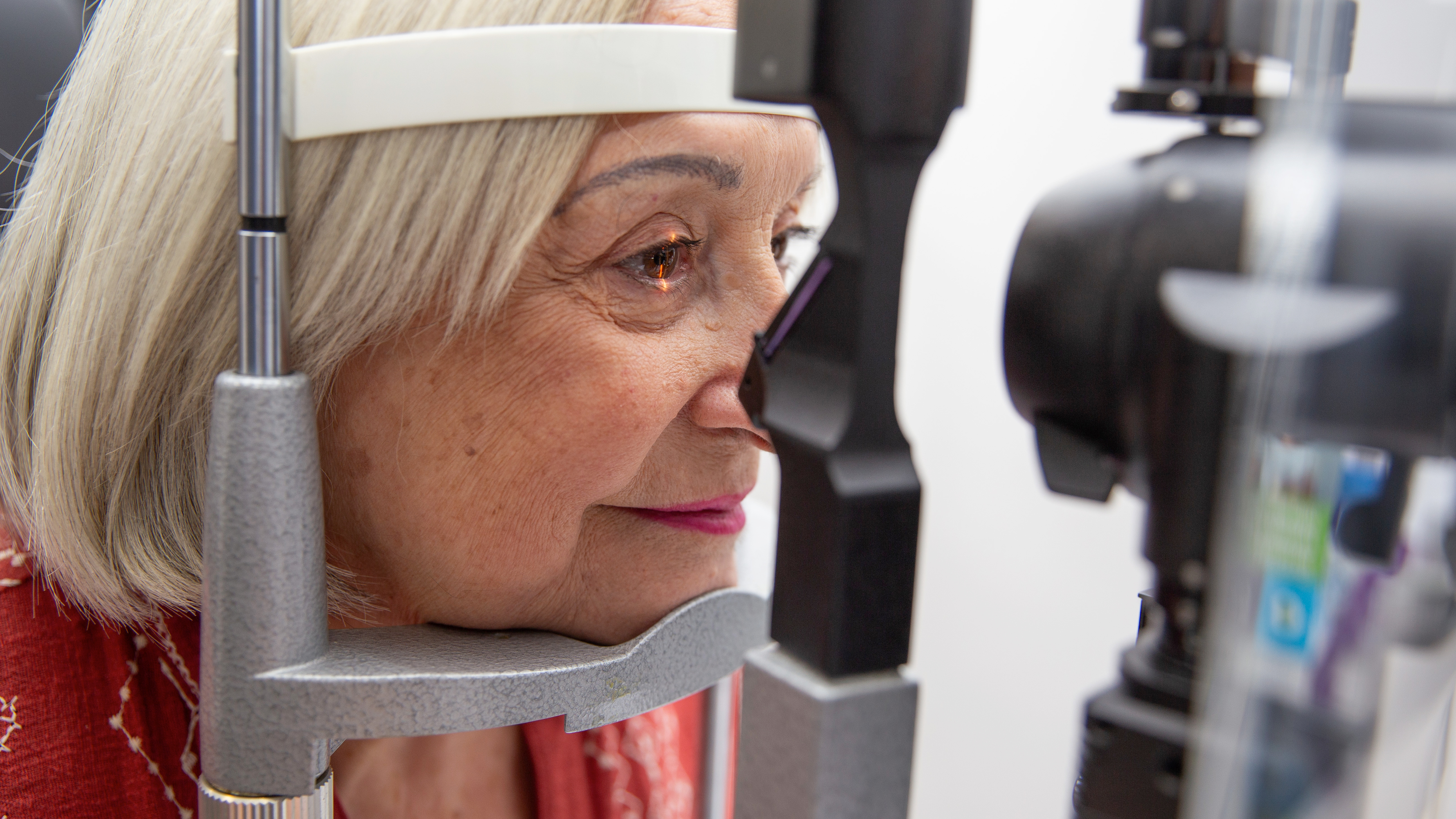

Eye drops for glaucoma are an essential part of treatment to reduce intraocular pressure and protect the optic nerve. However, as with any medication, they can cause discomfort or side effects.
Most are mild and temporary, but some symptoms should not be ignored. Knowing how to distinguish between them helps patients follow their treatment safely and seek medical advice promptly when necessary.
Eye drops act on the production or drainage of fluid inside the eye. This mechanism helps control eye pressure, but it can also affect the ocular surface, eyelids or conjunctiva.
In addition, some contain preservatives which, in sensitive patients or with prolonged treatment, can contribute to dry eyes, irritation or a gritty sensation.
At Barraquer, we understand that glaucoma treatment is usually long-term. That is why tolerance of eye drops is just as important as their effectiveness.
When starting treatment or after applying eye drops, it is relatively common to experience mild discomfort. This usually lasts only a short time and does not worsen over the following days.
It can be considered normal to experience:
These symptoms are not usually a cause for concern if they are mild, brief and not accompanied by severe pain or loss of vision.
Not all glaucoma eye drops have the same effects.
Prostaglandin analogues can cause eye redness, eyelash growth, darkening of the eyelid skin or changes in iris pigmentation.
Beta-blockers can cause local discomfort, but in some patients they may also lead to tiredness, dizziness, a slow pulse or breathing difficulties. For this reason, it is important to inform the ophthalmologist of any history of asthma, COPD or heart problems.
Alpha agonists may be associated with itching, red eyes, dryness or drowsiness. Sometimes, an allergic reaction develops after a period of use, even if the eye drops were initially well tolerated.
Carbonic anhydrase inhibitors can cause stinging, temporary blurred vision, eye irritation or a bitter taste.
Some symptoms should not simply be attributed to the eye drops. If they occur, it is advisable to consult an ophthalmologist to assess whether there is an allergy, intolerance, inflammation or another complication.
You should seek medical assessment if you experience:
Brief discomfort may be expected. A severe, progressive or widespread symptom requires medical assessment.
It is not advisable to stop glaucoma treatment without medical advice. Glaucoma can progress silently, and stopping treatment may increase the risk of damage to the optic nerve.
If the eye drops cause discomfort, the specialist may consider different options: adjusting the treatment regimen, changing medication, prescribing a preservative-free formulation or exploring alternatives such as laser treatment or surgery, depending on each case.
Good application technique can improve tolerance and reduce side effects.
Basic recommendations:
The most common side effects of glaucoma eye drops are usually mild: brief stinging, watering, temporary blurred vision, moderate eye redness or a bitter taste. However, symptoms such as severe pain, loss of vision, significant swelling, breathing difficulties or severe dizziness require medical assessment.
At Barraquer, glaucoma treatment is approached on an individual basis, aiming to control eye pressure and preserve vision while ensuring the best possible tolerance.
If you experience discomfort with your eye drops, do not stop treatment on your own. Arrange a check-up to assess the cause and adjust the treatment regimen if necessary.
Dr Alba Marín, ophthalmologist at the Barraquer Ophthalmology Centre
El glaucoma es conocido como la patología ocular silenciosa ya que hasta estadios avanzados no presenta síntomas, haciendo complicada su detección y, por lo tanto, retrasando la aplicación de un tratamiento efectivo. Según la Organización Mundial de la Salud en el mundo existen unos 60 millones de personas que padecen esta patología irreversible del nervio óptico, cifra que puede seguir aumentando en los próximos años según las previsiones. En el último capítulo de este año hablamos sobre esta patología con el doctor Francisco Ruiz Tolosa, coordinador del departamento de glaucoma del Centro de Oftalmología Barraquer.