The iVISION project, a step forward in restoring vision
20/08/2026
27/04/2026
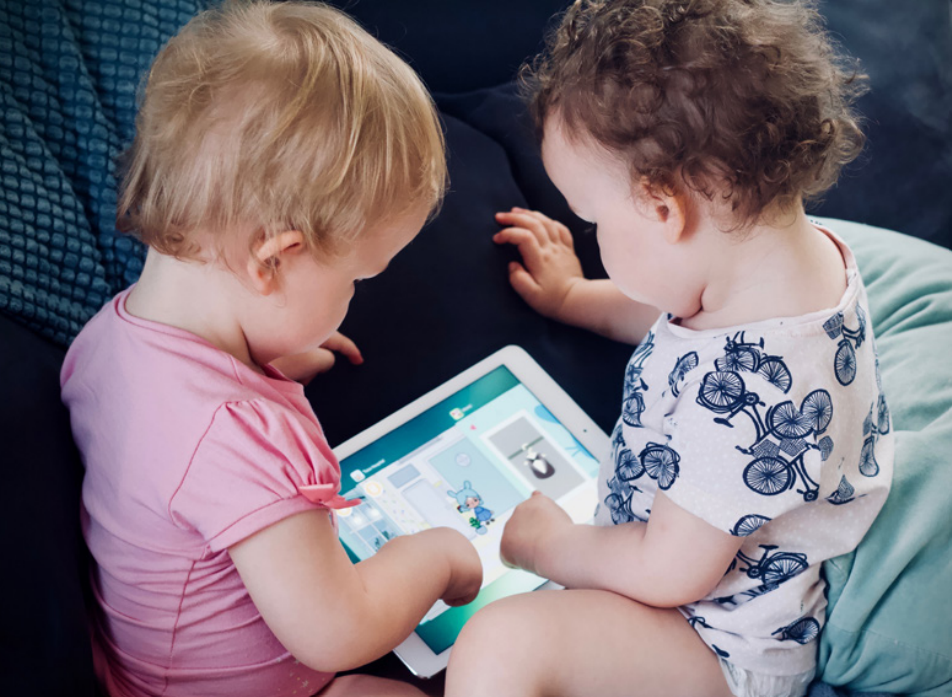
Screens are part of children’s everyday lives, but excessive use can have important consequences for vision and children’s eye health. When a child looks at a tablet, a mobile phone or the television for too long, the eyes work continuously in near vision, without the natural rest offered by other activities. This sustained effort can cause visual fatigue, eye strain and difficulty maintaining attention, especially if screen time is prolonged or combined with little natural light and poor posture.
One of the main problems is that, in front of a screen, blink frequency decreases. This means that the eye is less well lubricated and discomfort such as dry eyes, itching, irritation or temporary blurred vision can appear. In addition, when near vision is maintained for too long, the eye makes a constant effort to focus, and this can promote the onset or progression of myopia, especially during the years of growth. For this reason, the problem is not only the technology, but continuous use without breaks.
The consequences are not only physical. When a child sees poorly or is visually tired, they may have poorer concentration, more headaches at the end of the day and greater difficulty keeping up at school. These signs often go unnoticed, because many children do not know how to explain that they cannot see well or simply believe that seeing like this is normal. This makes the role of the family and the school essential in detecting changes such as eye deviation, tics, a drooping eyelid or poor academic performance. In these cases, an eye examination can make all the difference.
The key is not to demonise technology, but to use it responsibly. Screen time should be limited according to age, regular visual breaks should be taken, and the child should also have moments for play, reading, creativity and outdoor activity. It also helps to work in good lighting, maintain good posture and avoid overly long sessions without rest. In practical terms, the most important thing is to understand that children’s eye health needs alternation: looking up close, resting, looking into the distance and starting again. This better protects vision at a stage when the eyes are still developing.
You can read more in the Childhood and Screens Guide by the Barraquer Foundation.