Presbyopia and astigmatism in cataract surgery: which lenses can help you?
04/11/2026
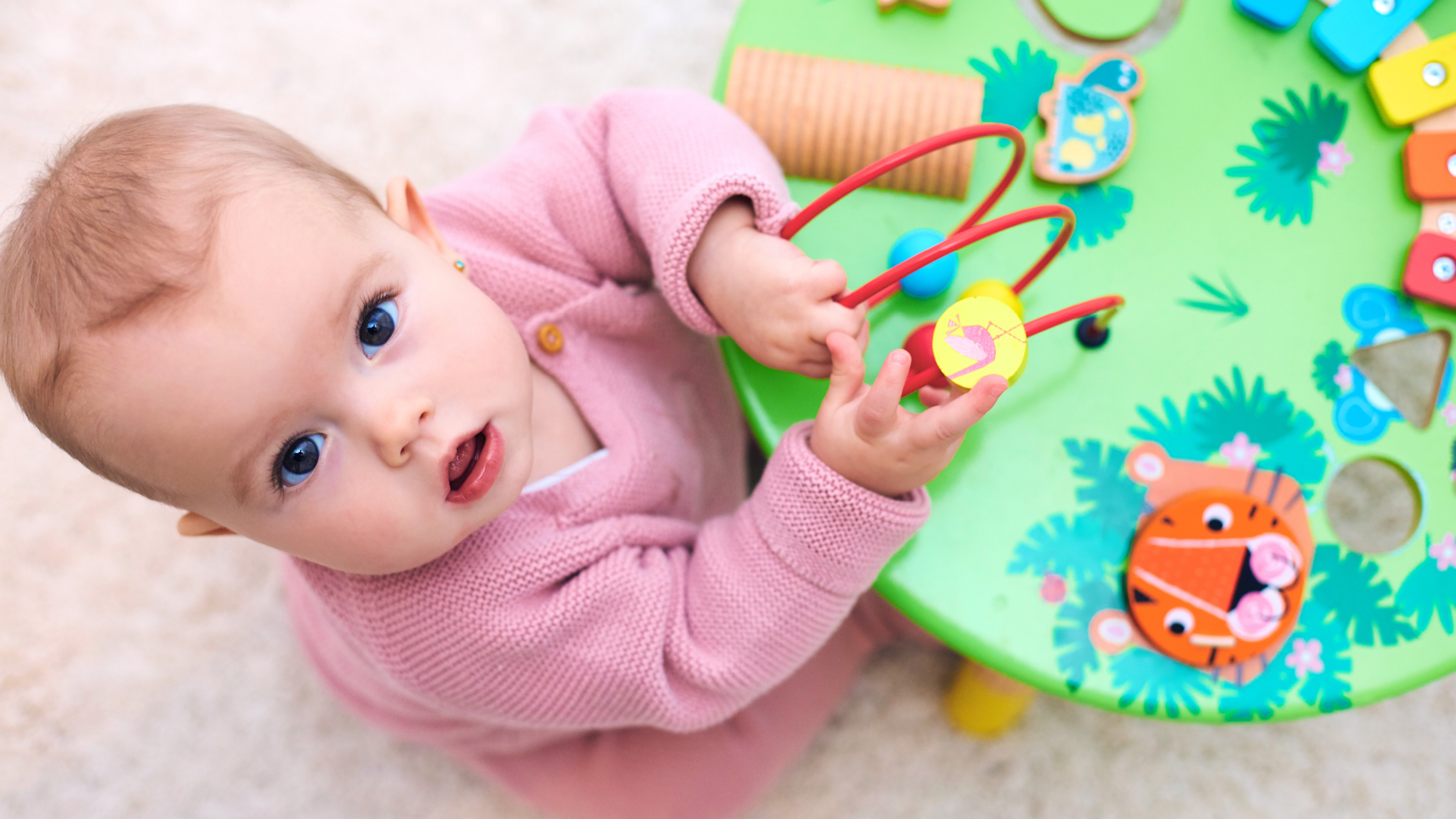

Strabismus is a misalignment of the eyes, meaning that they do not look in the same direction. It is a common condition in childhood and, although it may seem to be merely a cosmetic issue, it can affect visual development.
The causes of strabismus in childhood are varied. It can occur in completely healthy children, be associated with refractive errors, the use of electronic devices or prematurity, have a hereditary component, or result from neurological, systemic or ocular diseases.
During the first few months of life, it is common for newborn babies to occasionally have misaligned eyes, as the visual system is immature and the coordination between both eyes and the brain (binocular coordination) has not yet fully developed. However, from the age of 4–6 months, the eyes should remain consistently aligned.
We must remember that visual development requires a long learning process that begins at birth and is completed at approximately 8–9 years of age, with the greatest plasticity occurring during the first four years. When one eye is misaligned, the child's brain may begin to ignore the image coming from that eye to prevent diplopia (double vision). If this situation persists, there is a risk of developing amblyopia or ‘lazy eye’, and if it is not treated in time, the reduction in vision may become permanent. Early diagnosis is therefore essential.
It is advisable to consult a specialist ophthalmologist if one eye turns in a different direction constantly or intermittently beyond the age of 4–6 months; if the child squints or closes one eye or turns their head to focus on objects; if they frequently rub one eye; if they seem to have difficulty judging distances; if they often complain of headaches after school or experience eye strain and difficulty reading; if there is a family history of strabismus or amblyopia; or if a sudden eye deviation or double vision occurs. Any eye deviation accompanied by a white pupil, eyelid ptosis (drooping of the eyelid) or reduced vision should also be assessed.
Childhood strabismus cannot be prevented. Even in the absence of apparent symptoms, all children should undergo a comprehensive eye examination by a specialist ophthalmologist between the ages of 2 and 3. Early diagnosis is key to ensuring proper visual development in young children.
Dr Idoia Rodríguez Maiztegui, ophthalmologist at the Barraquer Ophthalmology Centre
We chatted with our pediatric optometrist Susana Escalera, who sees about 30 children a day in her office. Her experience and skills are paramount to a successfult eye exam of these small patients, some of whom are still a baby. It seems like a simple task, but it is not.