How much protein do we really need?
18/09/2026
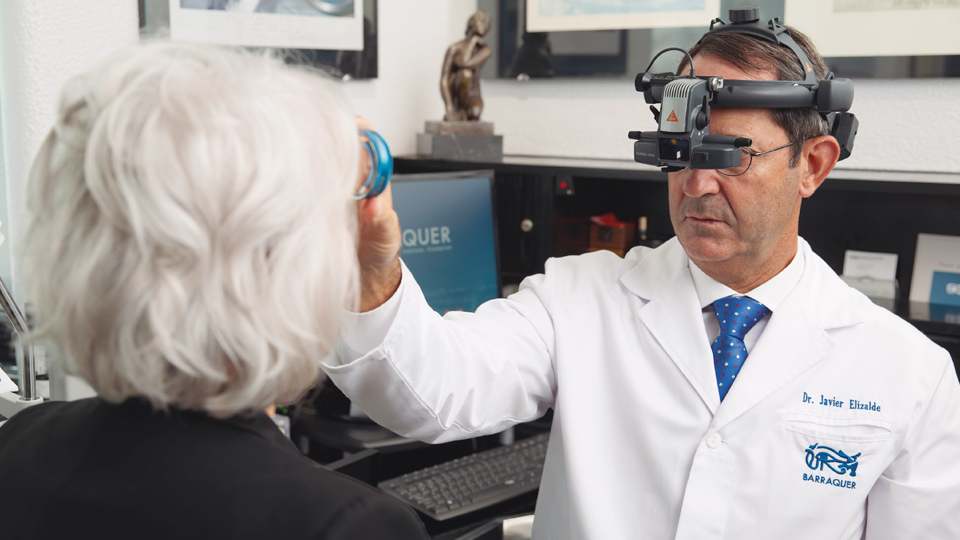

Diabetes mellitus is a chronic metabolic disease that affects not only blood glucose control but also multiple organs, including the eyes. People with diabetes have a significantly higher risk of developing ocular complications which, in advanced cases, can lead to loss of vision.
One of the main complications is diabetic retinopathy, which occurs when elevated glucose levels damage the blood vessels of the retina. These vessels may weaken, dilate and leak fluid, and may even become blocked, leading to a lack of oxygen in the retina. The body attempts to compensate for this damage by generating “new vessels” (neovascularisation), but these are fragile and highly prone to bleeding. Initially, diabetic retinopathy may be asymptomatic, but over time it can cause blurred vision, the appearance of spots in the visual field, or loss of central vision. Without appropriate treatment, this condition may be complicated by intraocular haemorrhages and even retinal detachment.
Another common complication is diabetic macular oedema, which occurs when fluid accumulates in the macula, a small area located at the centre of the retina responsible for detailed vision, reading, recognising faces and distinguishing colours. Macular oedema causes distortion in vision and difficulty performing tasks that require fine vision.
Diabetic cataract is also more prevalent and tends to appear at earlier ages compared with the non-diabetic population. Excess glucose alters the transparency of the lens, causing blurred vision. In addition, diabetic patients have a higher risk of developing glaucoma, a disease that damages the optic nerve and can progress without symptoms until irreversible stages.
Proper control of blood glucose, blood pressure and cholesterol levels is essential to prevent these complications. Annual ophthalmological examinations are recommended, even in the absence of symptoms, as early diagnosis allows appropriate treatment to be applied and vision to be preserved.
Dr Javier Elizalde, ophthalmologist at the Barraquer Ophthalmology Centre