Cataracts and ageing: what is normal and what is not
30/09/2026
17/03/2026
The prevalence of myopia has increased in a worrying manner. It currently affects 23% of the population, and this percentage is estimated to reach 50% by 2050. Although in most cases it can be corrected through the use of optical correction, contact lenses or refractive surgery, high myopia may entail a greater risk of developing long-term complications such as retinal detachment, glaucoma, strabismus and myopic maculopathy. Both genetic and environmental and lifestyle factors influence its development and progression, with the latter carrying increasing weight.
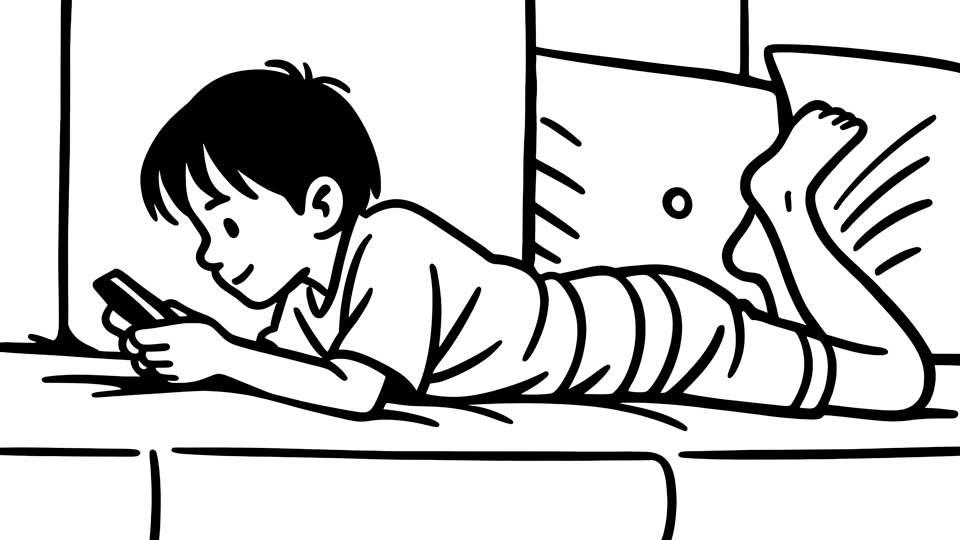
At the same time, the presence of electronic devices in children’s daily lives has also increased exponentially in recent years. Tablets, smartphones and computers are used not only in the academic setting but also during leisure time, and from an increasingly early age. This growth, together with the progressive increase in the myopic population, has generated growing concern among many families and specialists about the drawbacks of screens for younger children and their possible impact on the onset of myopia.
According to scientific evidence, one of the main preventive factors is spending more time outdoors (a minimum of 2 hours), as natural light stimulates mechanisms that help to slow the axial growth of the eyeball and consequently the progression of myopia. On the other hand, although a direct link has not been proven, research suggests that children who spend more time indoors carrying out near tasks (such as using electronic devices) have higher rates of myopia. Thus, according to experts, the solution is clear: limit screen time, encourage outdoor activities and apply visual hygiene measures, such as the 20-20-20 rule (every 20 minutes of near activity, look at something 20 feet or 6 metres away for 20 seconds), maintain an appropriate distance (around 50–70 cm) and use proper lighting. According to the WHO, the use of mobile phones and tablets is not recommended before the age of 3, and up to the age of 6 their use should be limited to a maximum of 1 hour per day.
All these measures, together with regular ophthalmological check-ups with a specialist, will allow early diagnosis and control of myopia, which is essential to ensure proper visual development in young children and to prevent the appearance of possible ocular complications in the future.
Dr Idoia Rodríguez Maiztegui, ophthalmologist at the Barraquer Ophthalmology Centre
We chatted with our pediatric optometrist Susana Escalera, who sees about 30 children a day in her office. Her experience and skills are paramount to a successfult eye exam of these small patients, some of whom are still a baby. It seems like a simple task, but it is not.